
Castlevania: Symphony of the Night on PS1: the complete guide to the masterpiece
There are games that mark their era, and those that invent a genre. In 1997, when everyone was still swearing by 3D, Konami released Castlevania on the PlayStation in 2D, hand-drawn, with a crazy ambition: an immense castle, all connected together, that you can explore freely by earning levels like in a role-playing game. The public initially rejected this game, which was deemed outdated, but word of mouth made it one of the most admired games in history.
Here is the complete guide Castlevania: Symphony of the Night The story of Alucard, the characters, the game system, the castle zone by zone, the bosses, the spells and familiars, the endings and the secrets, then the version to choose today.
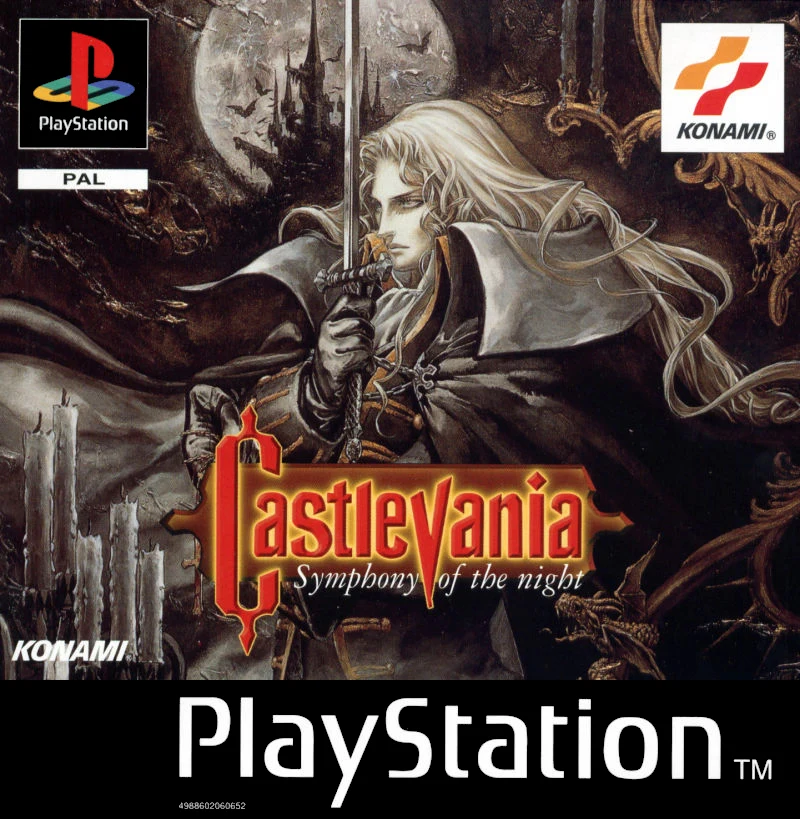
In short: Castlevania: Symphony of the Night is an action and exploration game in 2D developed by Konami, released on the PlayStation in March 1997 in Japan and in November 1997 in Europe. In it, you play Alucard, the son of Dracula, in a huge castle to explore freely, with elements of role-playing game play. It gave its name, in part, to the genre of «Metroidvania».
Castlevania: Symphony of the Night in brief
- Coming out
- March 20, 1997 in Japan, November 1997 in Europe
- Studio
- Konami, directed by Toru Hagihara, with Koji Igarashi
- Genre
- Action, exploration and role-playing game in 2D
- Players
- 1
- Duration
- 10 to 15 hours, much more to see everything
- GearMaster
- ✓ Included
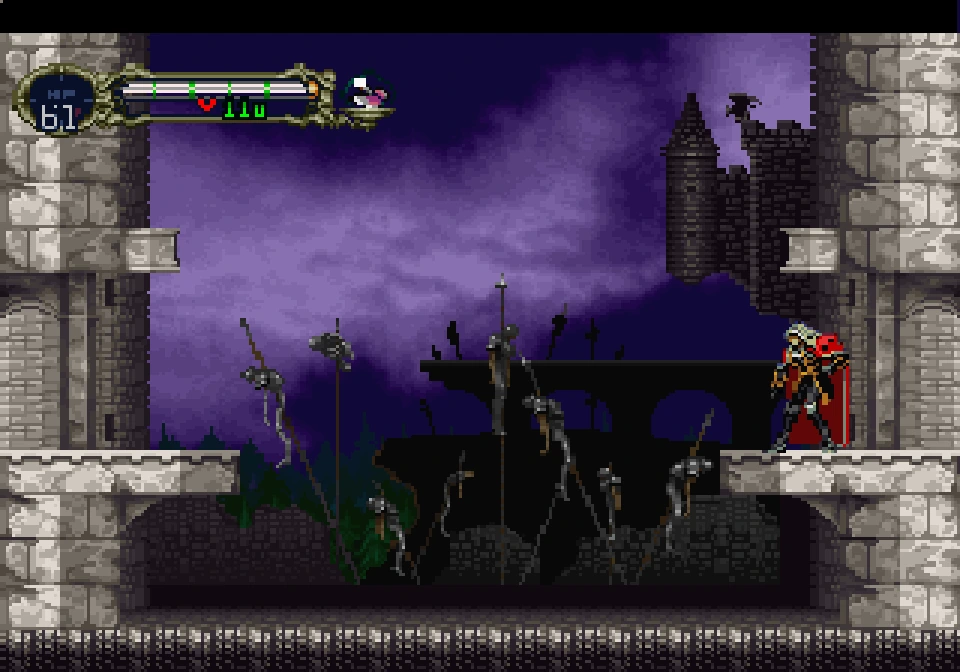
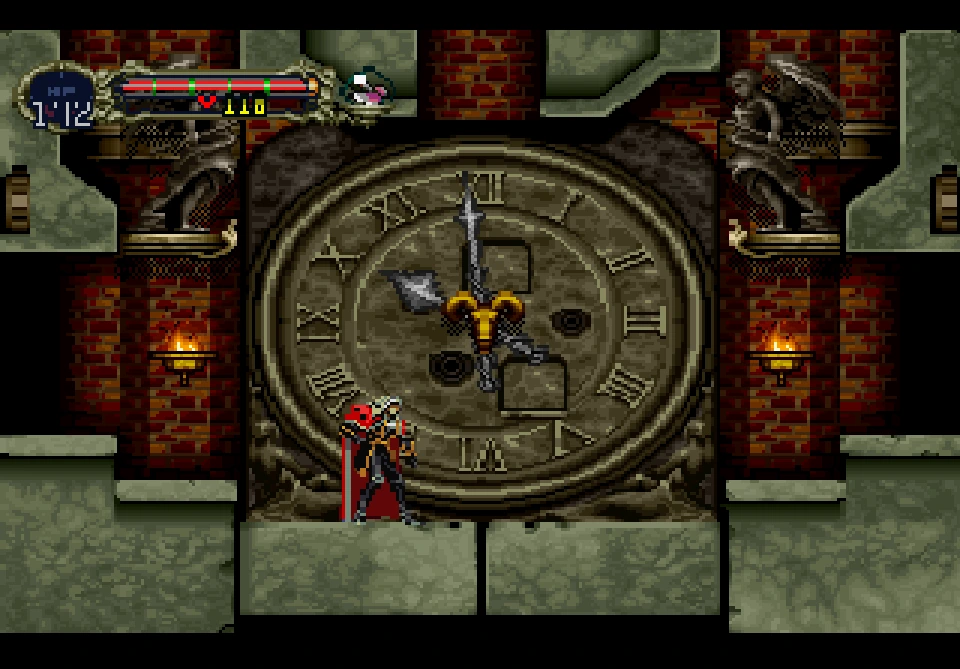
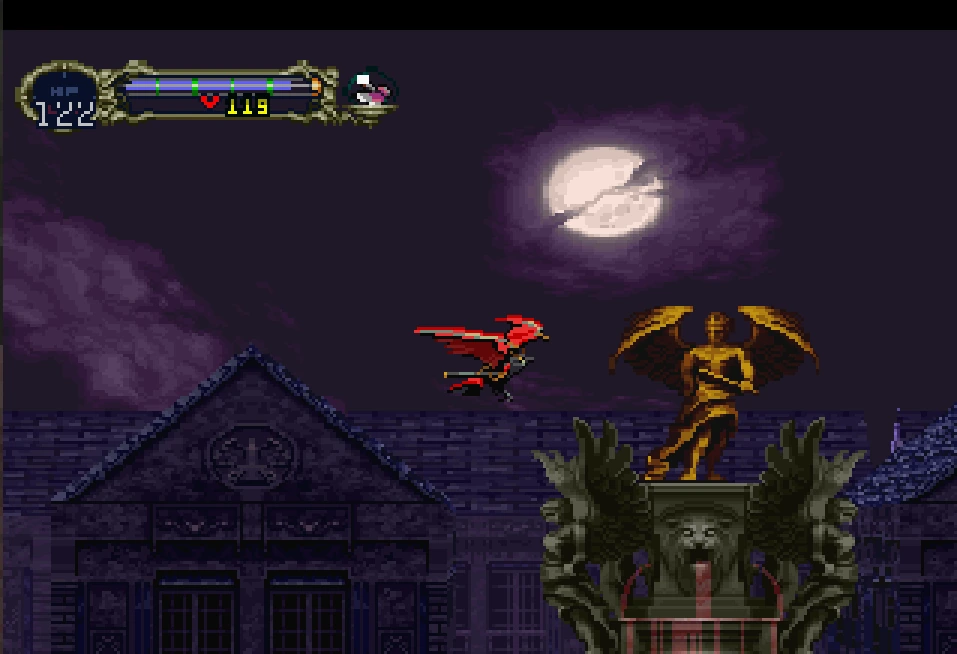
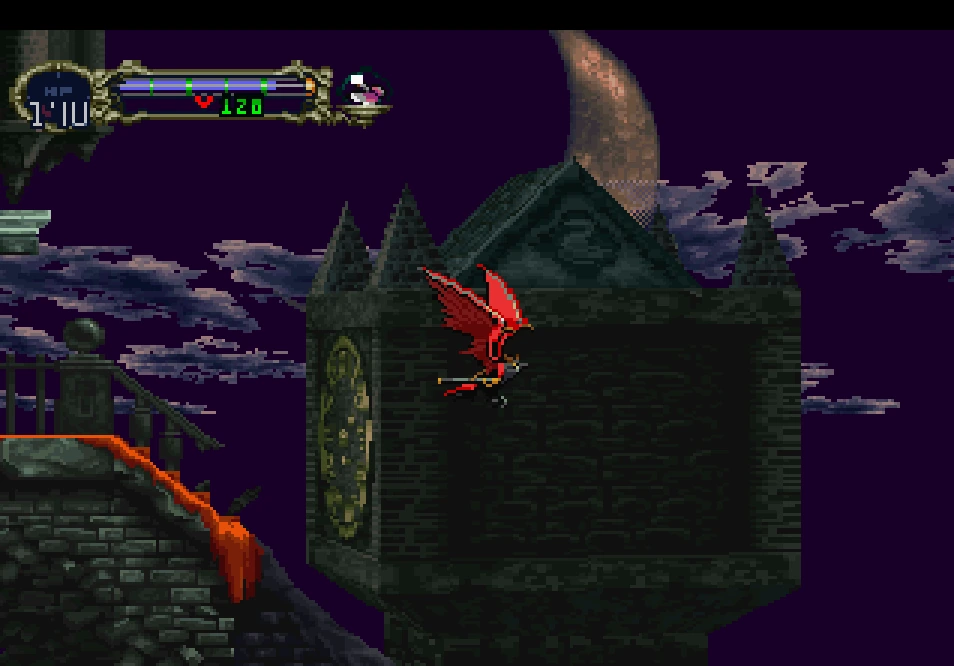
The story: Alucard facing his father's castle
The game begins with the end of another one: in 1792, the vampire hunter Richter Belmont faces Dracula in the throne room and wins. This is the finale of Rondo of Blood, released on PC Engine, which is here replayed as a prologue.
Five years later, in 1797, Richter has been missing for a year, and the castle of Dracula has just reappeared in an endless night. Alucard, the son of Dracula, a dhampir born of a vampire and a human, emerges from the long sleep he had imposed on himself to no longer endanger humanity. He enters the castle to destroy it once and for all.
Along the way, he crosses paths with Maria Renard, a young vampire hunter who is looking for Richter, and soon realizes that the castle's reappearance is no coincidence: someone is secretly preparing for Dracula's return.
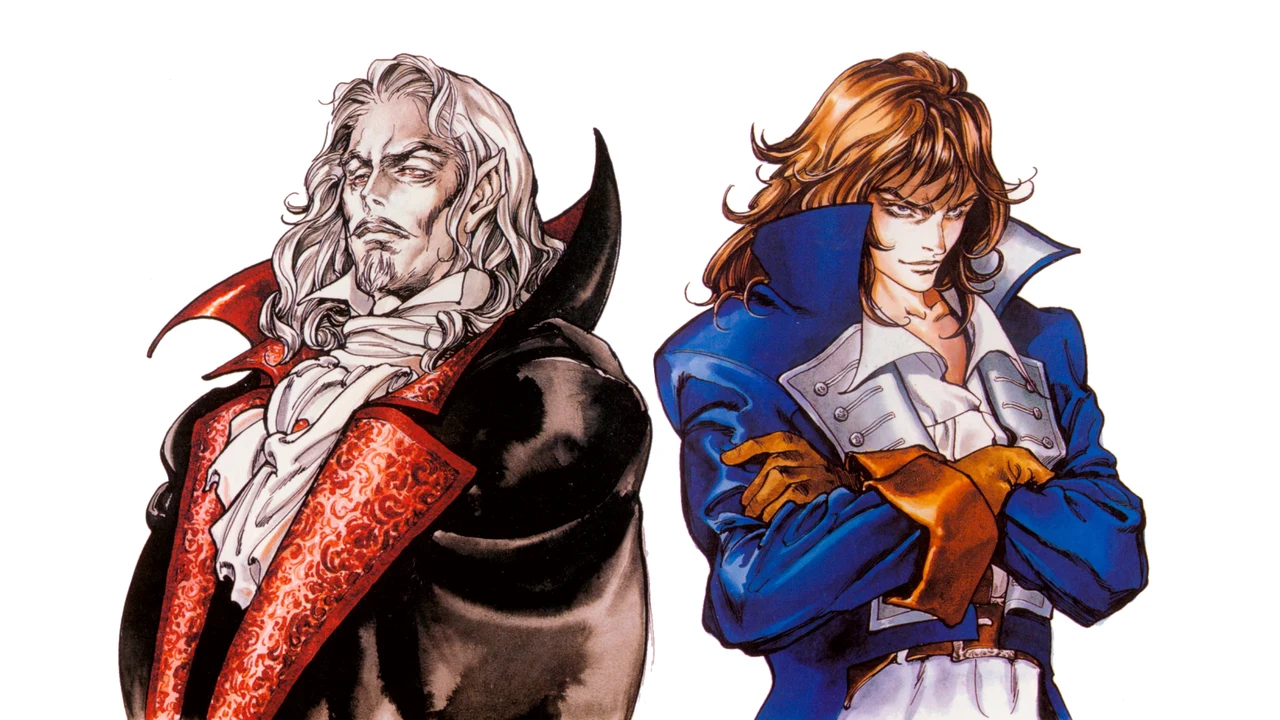
The characters of Symphony of the Night
Touch a portrait to discover the character.
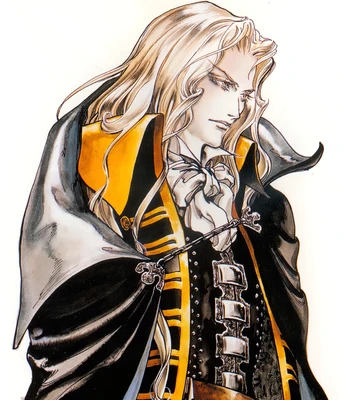
Alucard
The son of Dracula and a human woman, Lisa. He already fought against his father alongside Trevor Belmont three centuries earlier. Calm and elegant, he can transform himself into a wolf, a bat, or a fog.
- Role
- Heroes
- Powers
- Transformations, sorts
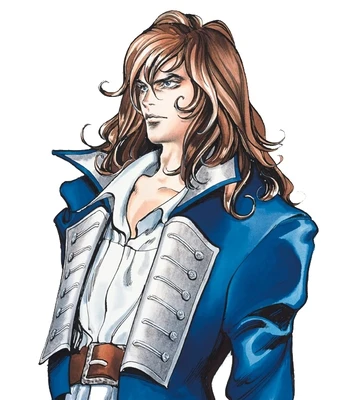
Richter Belmont
The hero of Rondo of Blood, who defeated Dracula in 1792. He has been missing for a year now, and his behavior has become strange.
- Weapon
- The Vampire Killer Whip
- Playable
- After the end of the game
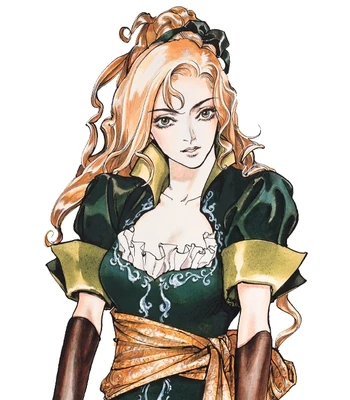
Maria Renard
Richter's sister-in-law, who has become a vampire hunter. She patrols the castle in search of him and regularly crosses paths with Alucard.
- Age
- 17 years old
- Objective
- Reuniting Richter
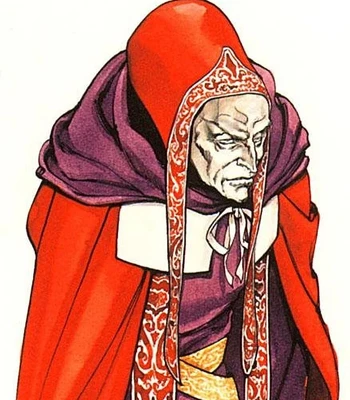
Shaft
A priest of darkness, faithful servant of Dracula, already present in Rondo of Blood. He maneuvers in the shadows to resurrect his master.
- Camp
- Dracula
- Specialty
- Black magic
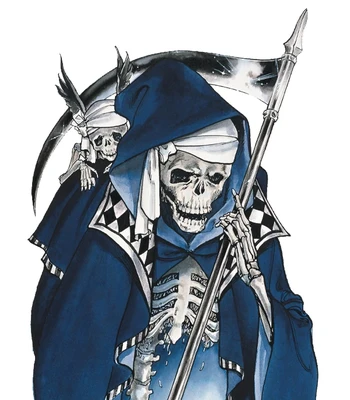
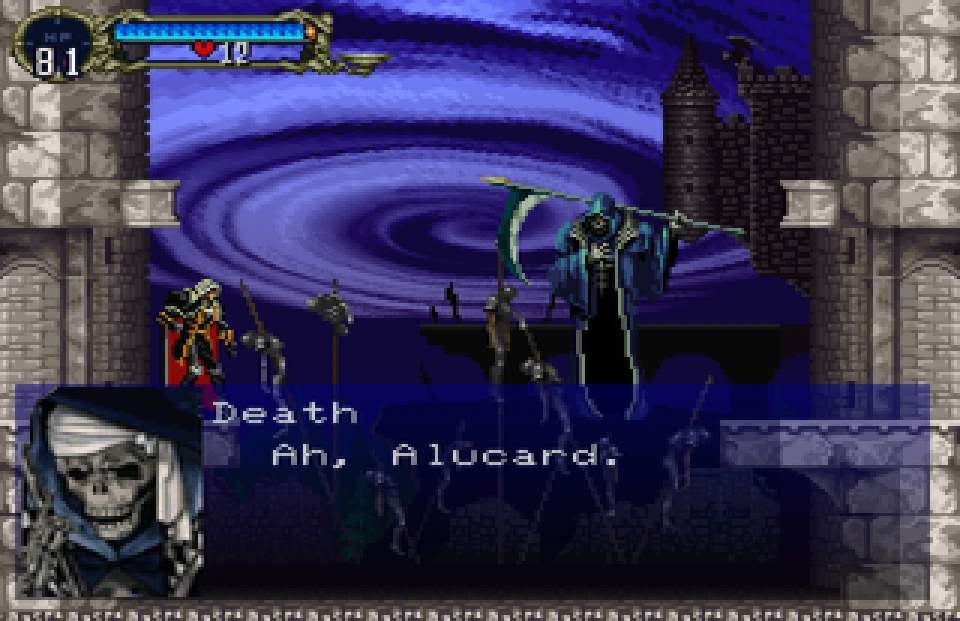
Death
Dracula's right-hand man. As soon as he enters the castle, he strips Alucard of his legendary equipment, forcing him to start over.
- Camp
- Dracula
- Weapon
- The fake
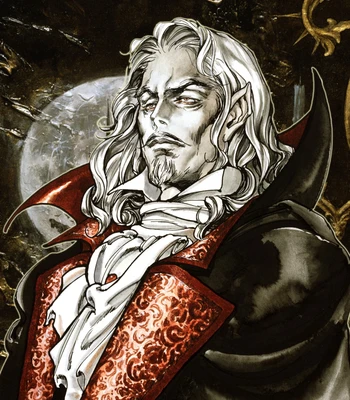
Dracula
The Lord of the Vampires, defeated by Richter in 1792. His castle reappears once a century, and his return is approaching.
- Location
- His castle
- Link
- Alucard's father
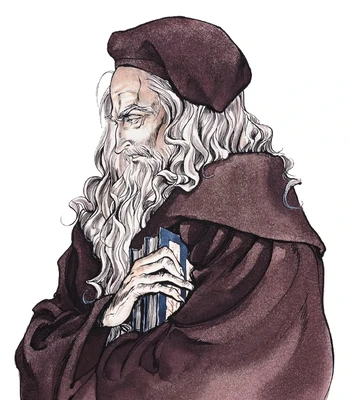
The Librarian
An old scholar living in the Long Library. This is the only shop in the castle: potions, weapons, spell scrolls, and a map of the castle.
- Location
- Long Library
- Role
- Boutique
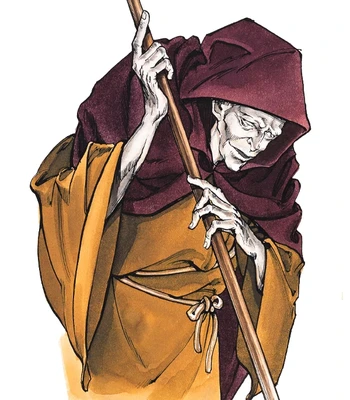
The Wanderer
An old man in a boat crossing the waters of the underground caverns, a nod to the ferryman of hell in mythology.
- Location
- Underground caves
- Role
- Transport
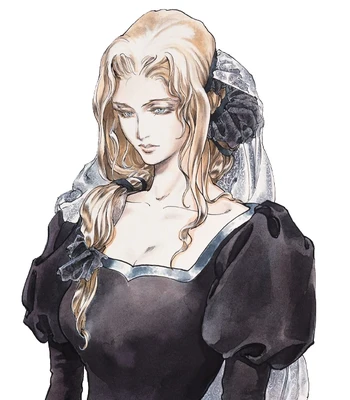
Lisa
Alucard's mother, a human whom Dracula loved. Her death is at the heart of Dracula's hatred of humanity, and of his son's sadness.
- Link
- Alucard's mother
- Apparition
- Souvenirs
The gameplay: a Castlevania that becomes a role-playing game
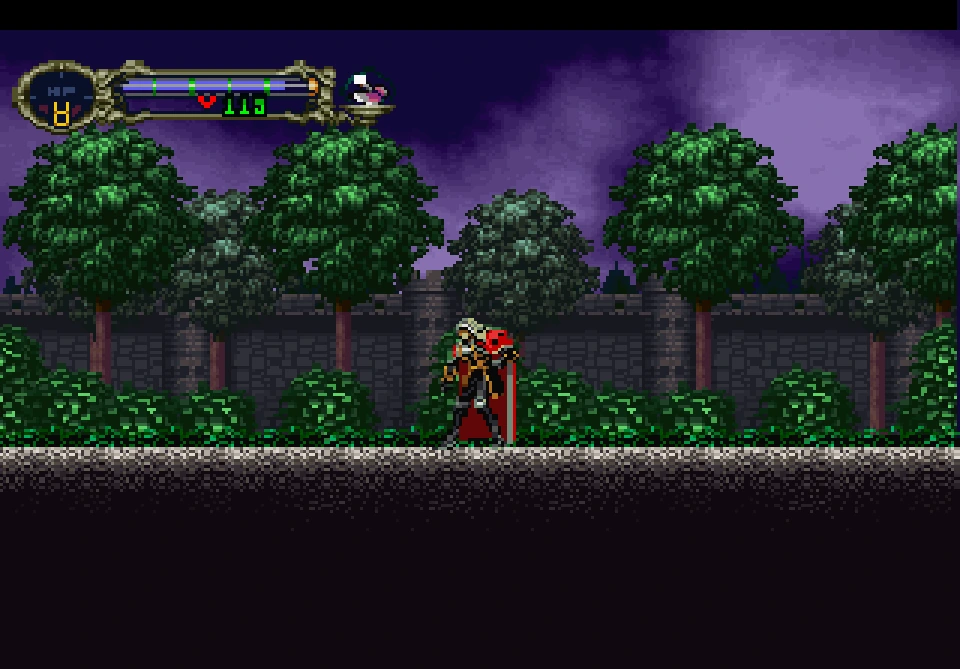
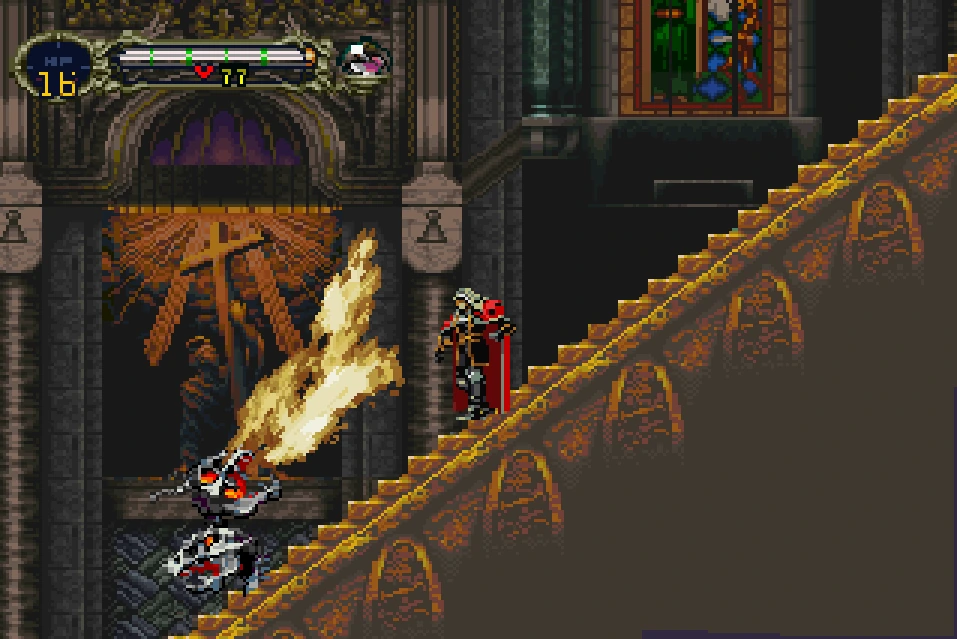
The previous episodes were linked by levels. Symphony of the Night offers a single large castle, divided into zones connected to each other. You explore freely, returning to your starting point, and each new power opens up passages that were previously closed: jumping higher, flying, passing through a griddle shaped like fog. A map fills up as you progress, with a percentage of exploration.
Alucard gains experience by defeating enemies and level up, with four characteristics: strength, constitution, intelligence, and luck. He collects dozens of weapons, armor, helmets, cloaks, and accessories, and can hold a weapon in each hand or a shield. Life Vases and Heart Vases permanently increase his life points and hearts, which serve as secondary weapons such as the dagger, axe, or blessed water.
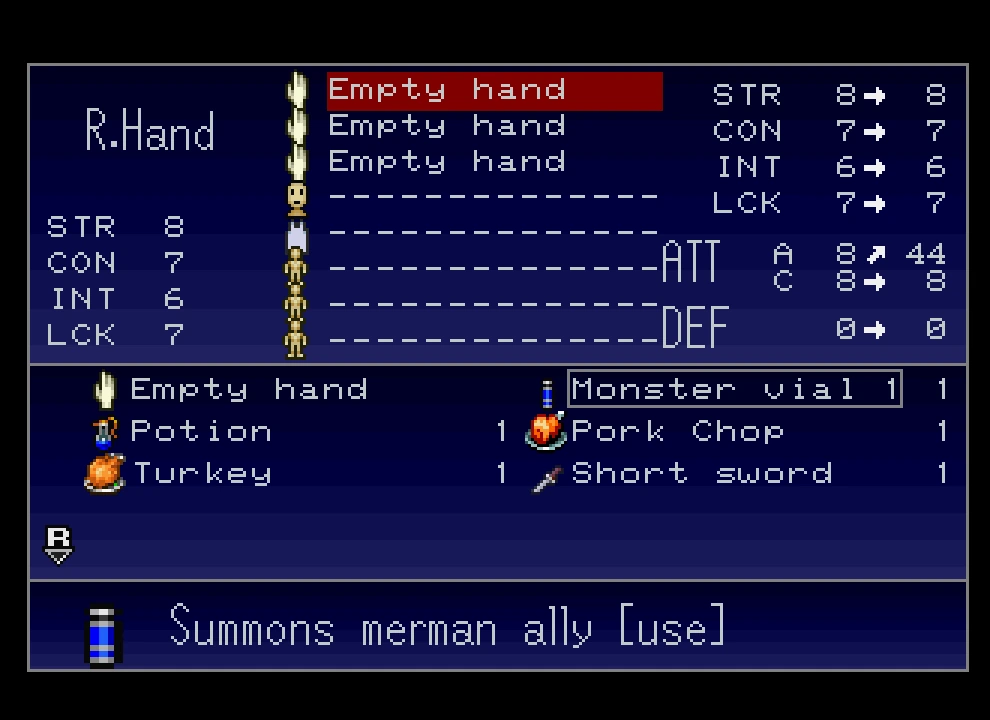
Relics and transformations
The relics are the powers that open the castle. You activate or deactivate them in the menu. Scroll through the cards: the location of each relic is blurred; touch it to reveal it.
Soul of the bat
Alucard transforms into a bat and flies freely.
Where to find it: Long Library
Soul of the wolf
Alucard transforms into a wolf, faster on the ground.
Where to find it: Exterior wall
Form of fog
Alucard transforms into fog to pass through the bars.
Where to find it: Colosseum
Pierre du saut
The double jump: a second jump in mid-flight.
Where to find it: Donjon
Gravity boots
A great jump that propels Alucard upwards.
Where to find it: Marble gallery
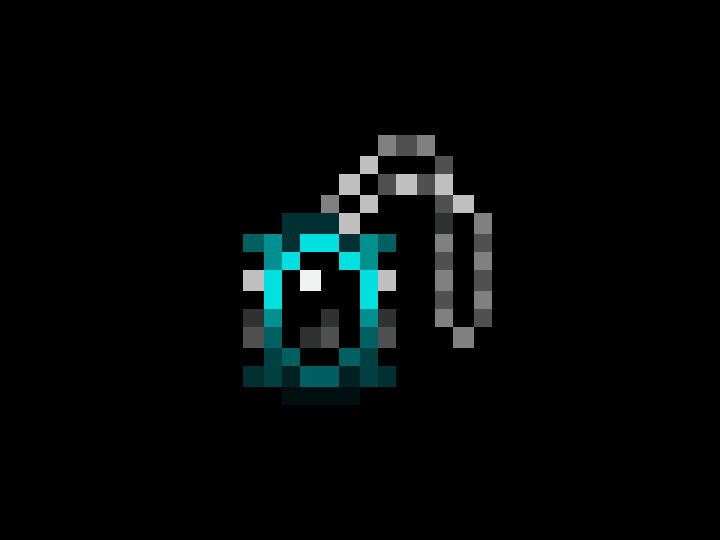
A jewel of an opening
Open the sealed blue doors of the castle.
Where to find it: On sale at the Librarian
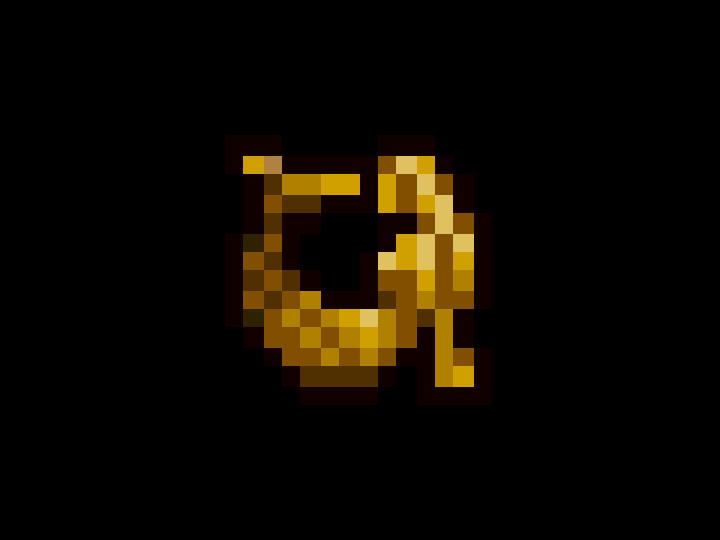
Statue of the Triton
Have the Boat of the Navigator brought, to cross the underground waters.
Where to find it: Underground caves
Alucard's spells (and their manipulation)
The spells launch like special combat moves: a sequence of directions, then the attack button. The Librarian sells scrolls that reveal them, but you can cast them without buying them as soon as you know the manipulation. The manipulations are blurred, for those who want to find them alone, and given to Alucard facing right.

Dark metamorphosis
The blood of the enemy wounded heals Alucard.
Manipulation: ← ↖ ↑ ↗ → + attack

Invocation of the spirit
A spirit rushes towards the enemy closest to it.
Manipulation: ← → ↑ ↓ + attack
Fire of hell
Alucard disappears and launches fireballs.
Manipulation: ↑ ↓ ↘ → + attack

Tetra-spirits
Four minds attack at the same time.
Manipulation: ↑ held, then ↗ → ↘ ↓ + attack

Soul theft
Aspire the life of all the enemies on the screen.
Manipulation: ← → ↘ ↓ ↙ ← → + attack
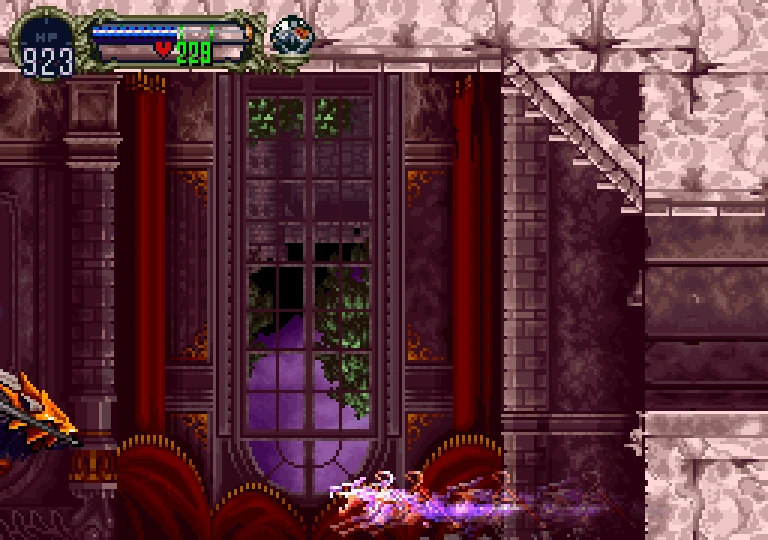
Charge of the wolf
A devastating charge in the form of a wolf.
Manipulation: In wolf mode: ↓ ↘ → + attack
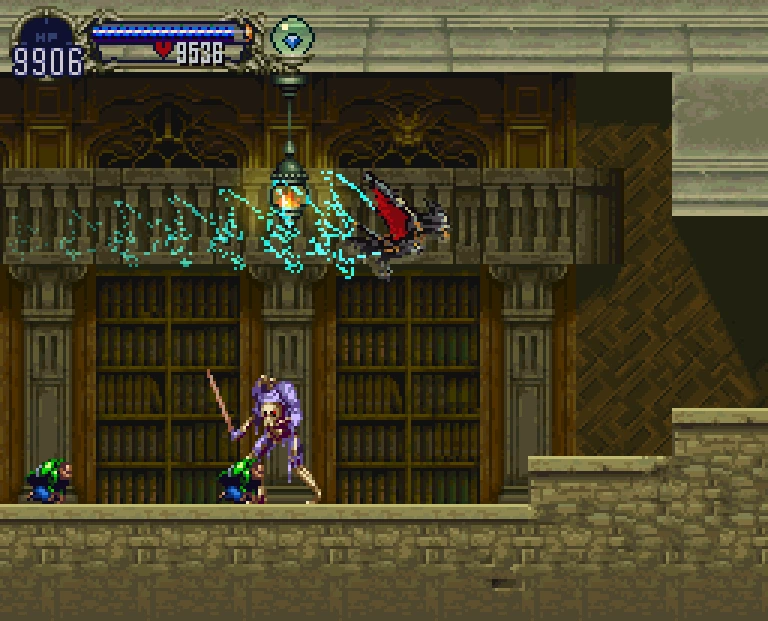
Winged stroke
A charged object in the form of a bat.
Manipulation: In bats: sustained jump, ↑ ↖ ← ↙ ↓ ↘ →, then release
Brothers of the sword
A rain of swords hits the entire screen.
Manipulation: With the familiar sword: ↓ ↘ → ↗ ↑ held down, ↓ + attack
The relatives
The familiars are small companions who follow Alucard and also gain levels by fighting. They are called thanks to cards found in the castle.
Bats
Attack the enemies close by. At high level, other bats accompany it.
Phantom
He aspires a little life to the enemies he touches.
Fairy
Alucard is nursed by Care, he cures poison and can bring him back to life thanks to a Life Apple.
Demon
Attack enemies and activate certain inaccessible switches.
Sword
A living sword that fights alone. It unlocks the Fate of the Sword Brothers.
Want to explore Dracula's castle?
Castlevania: Symphony of the Night is on the GearMaster, along with 22 other Castlevania games and 20,000 games for 70 consoles, ready to be played via HDMI.
Dracula Castle, area by area
The castle has about fifteen areas, each with its own decor, music, and enemies. Here they are in the order in which they are most often discovered.
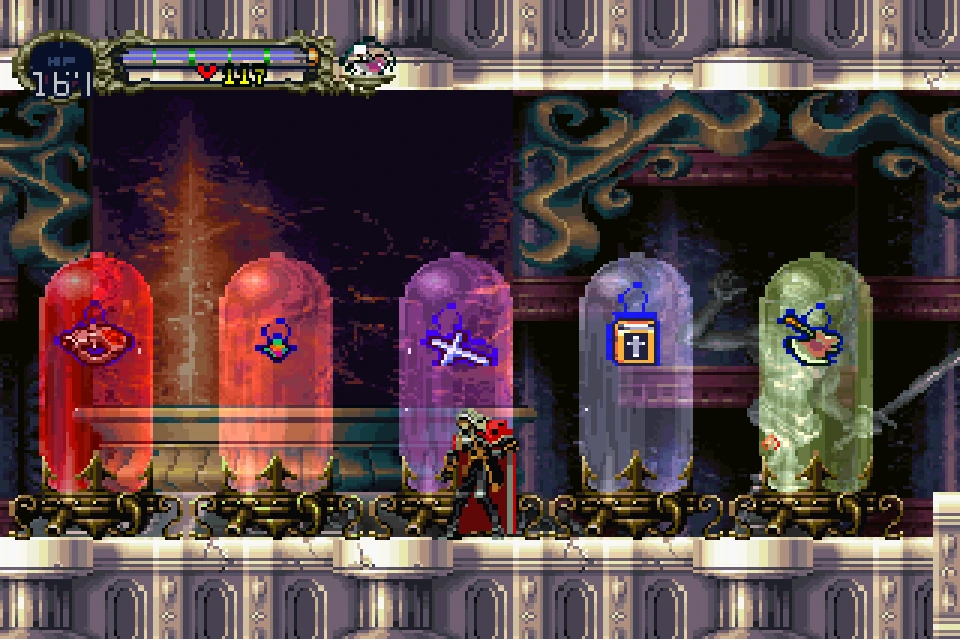
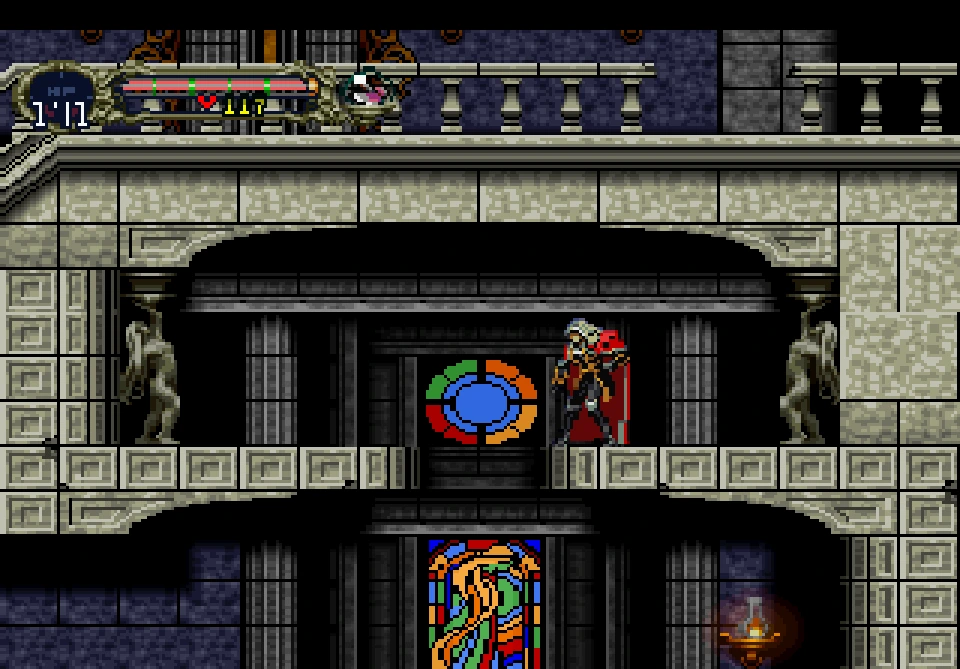
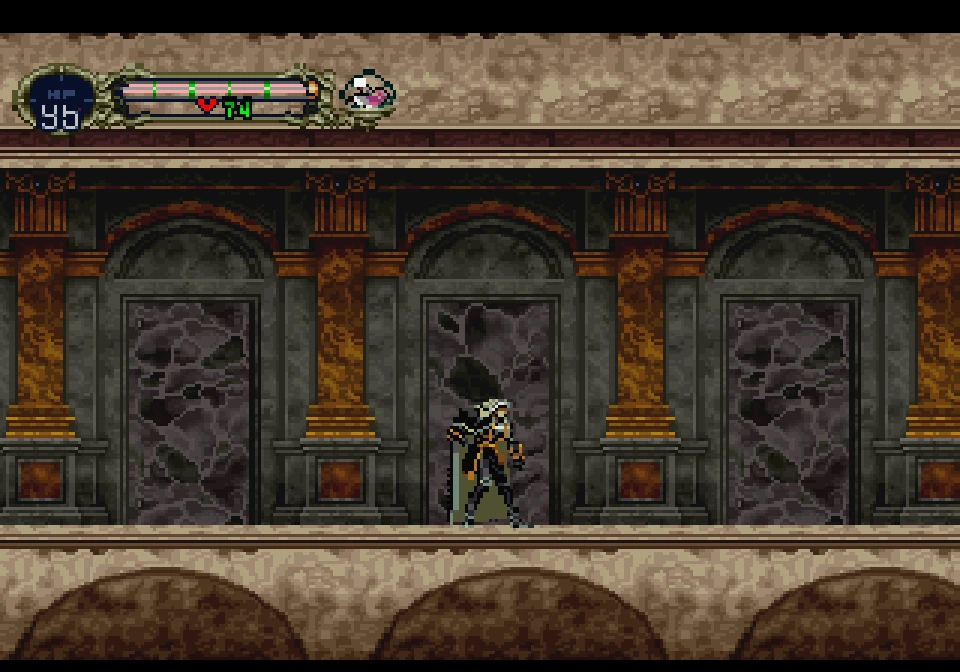
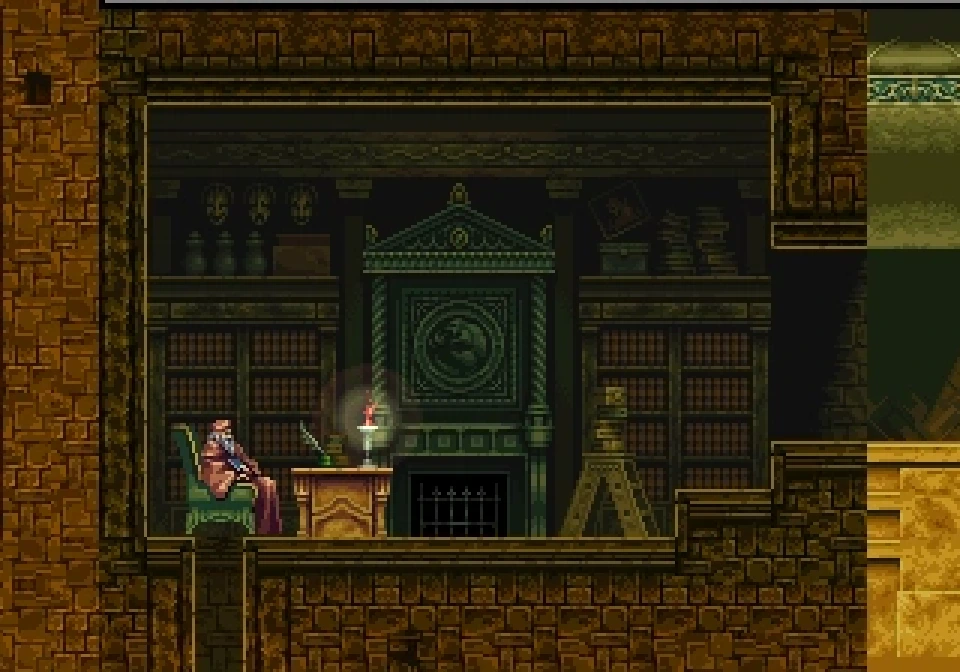
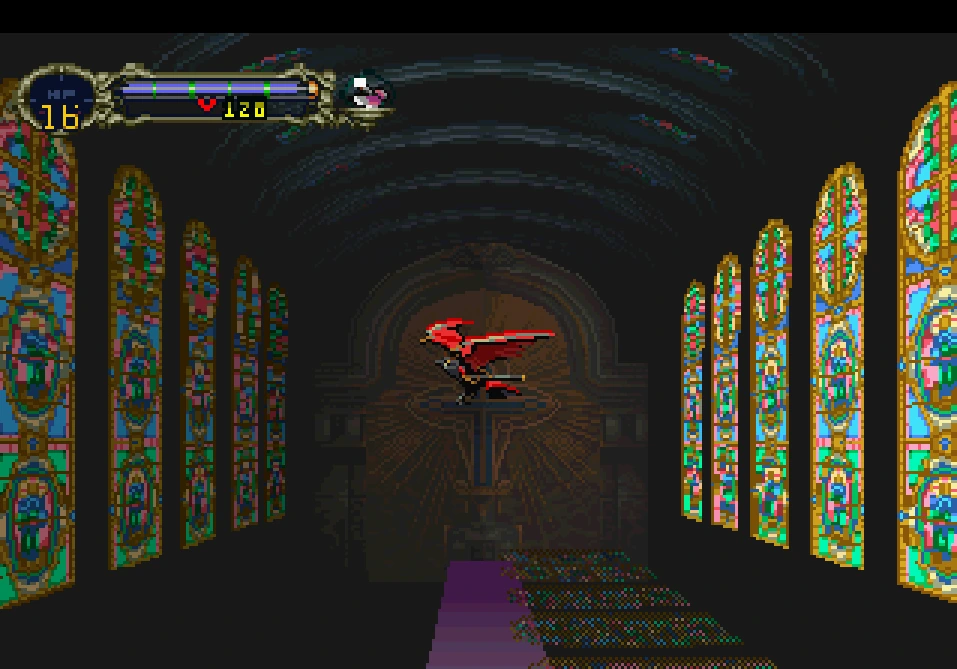
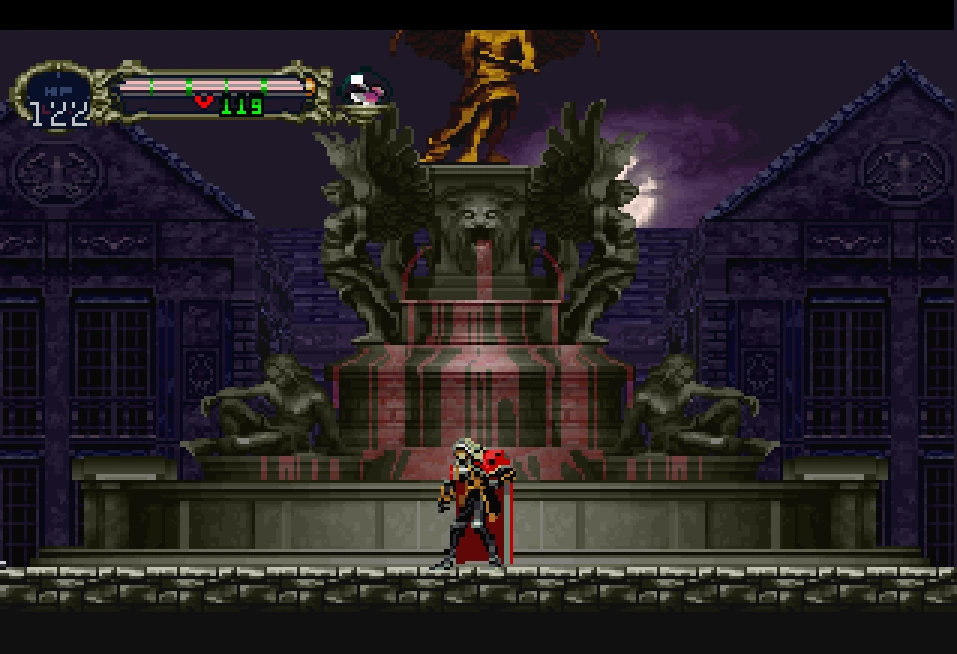
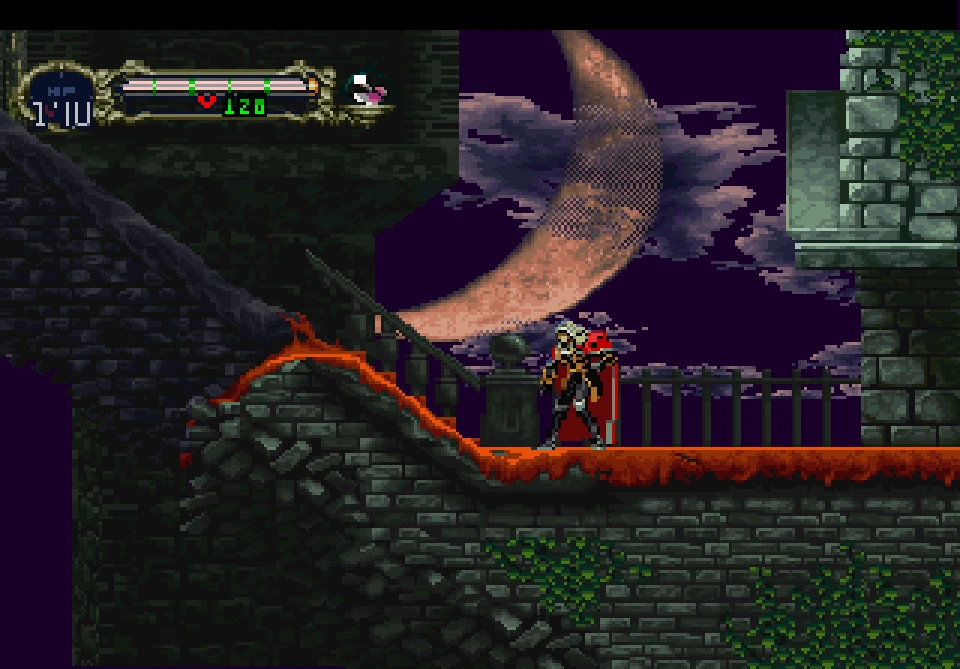
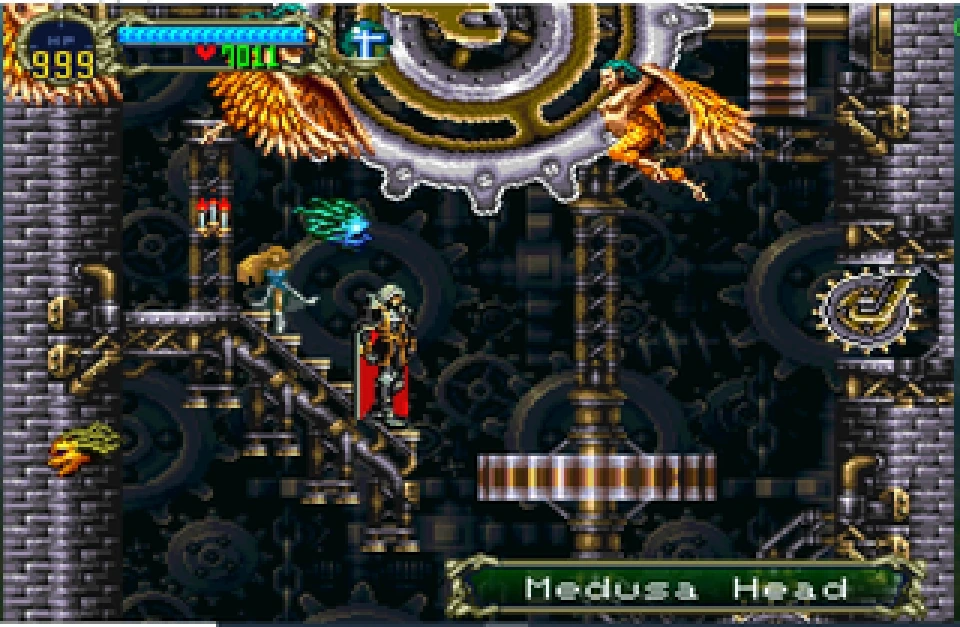
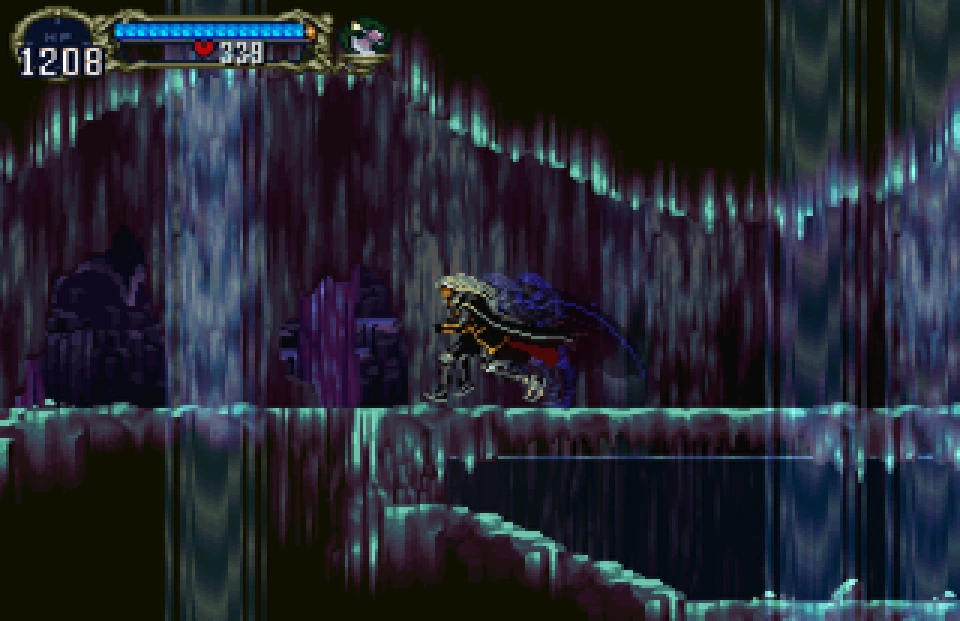
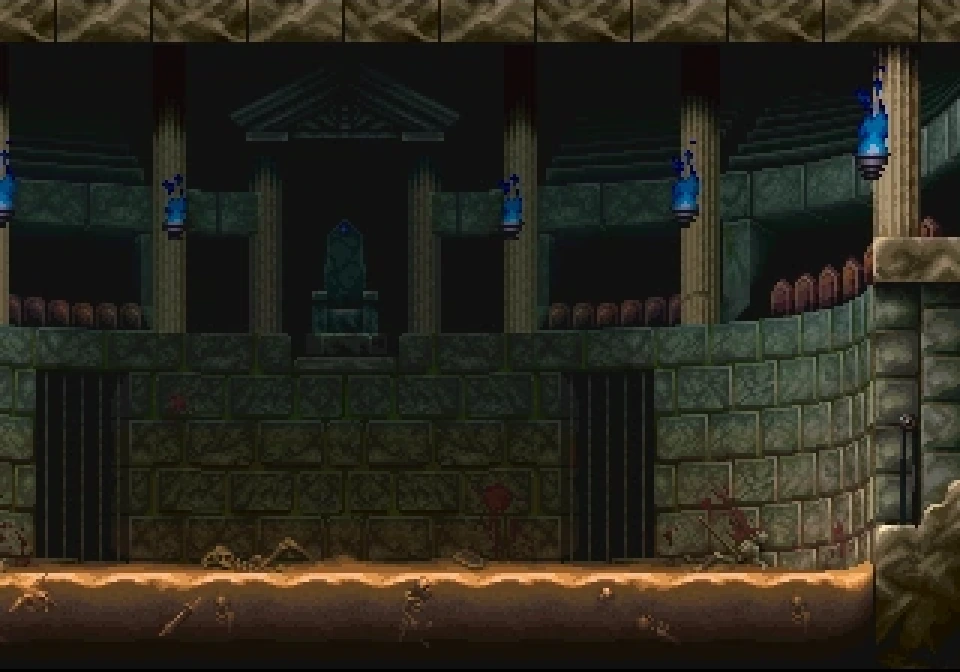
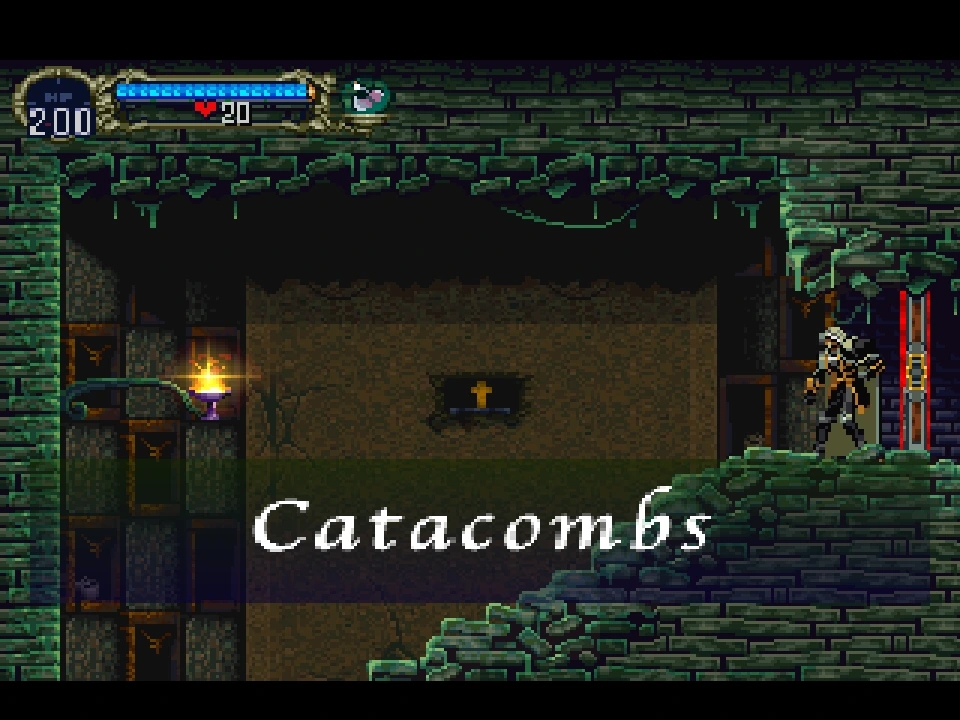
We must add the Abandoned Mine, a long well that descends into the catacombs, guarded by Cerbère, and the Castle Center, at the heart of the building, where history takes a turn.
The bosses of the castle
| Boss | Zone | What you need to know |
|---|---|---|
| Slogra and Gaibon | Laboratory of alchemy | A duo: one strikes with a spear, the other spits fire while flying |
| Doppelganger | Exterior wall | A copy of Alucard using his own powers |
| Lower Demon | Long Library | Invokes other demons and casts spells |
| Minotaur and Werewolf | Colosseum | Two opponents at the same time in the arena |
| Hippogriffes | Royal Chapel | A winged monster that spits fireballs |
| Olrox | Olrox neighborhoods | A vampire who transforms into a giant monster in the middle of the fight |
| Karasuman | Clock tower | The lord of the ravens, quick and unpredictable |
| Scylla | Underground caves | A sea monster surrounded by snakes |
| Succube | Underground caves | Met in a nightmare, she keeps the Golden Ring |
| Cerbère | Abandoned mine | The dog of hell with three heads |
| Granfaloon | Catacombs | A mass of tangled bodies that breaks apart under the blows |
The great secret of the castle
Many players finished Symphony of the Night believing they had seen everything… when in fact they had only explored half the game. The secret is hidden below: only reveal it if you have already played, or if you are stuck.
In the Donjon, Alucard finds Richter, who declares himself the new master of the castle. If you defeat him without doing anything else, the game ends prematurely. To go further, you must first gather the Golden Ring (in the underground caverns) and the Silver Ring (in the Royal Chapel), which open the room of the clock in the Marble Gallery and lead to the Castle Center. Maria gives Alucard the Holy Glasses there.
With these glasses, Alucard sees the orb that Shaft uses to control Richter. By destroying the orb rather than Richter, he frees the hunter, and a second castle appears in the sky: the Inverted Castle, a copy of the first one, with its own enemies, bosses, and much more powerful equipment. The map can then exceed 100%.
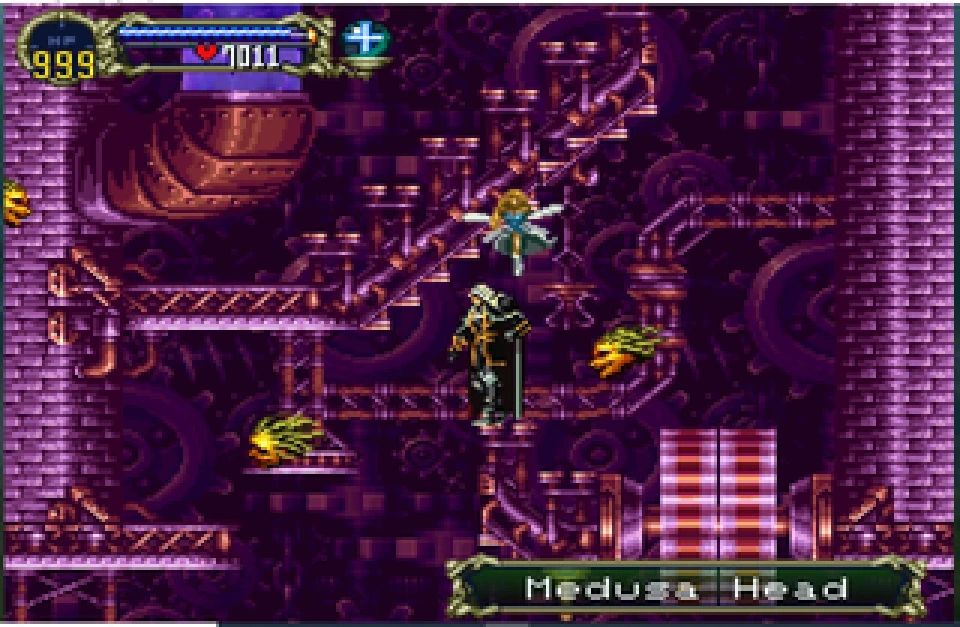
In this overturned castle, Alucard must find the five relics of Dracula (the heart, the tooth, the coast, the ring and the eye), guarded by five bosses: Death, Medusa, the Creature, Akmodan II and the Dark Owl. He also faces copies of Trevor, Grant and Sypha, the heroes of Dracula's Curse, and Galamoth, a giant demon hidden at the bottom of the floating catacombs. The relics open the final room, where he meets Shaft and then Dracula.
The game has four endings: the premature ending if you defeat Richter, then three variants after the victory over Dracula, depending on the part of the castle explored and the fate of Maria. In the best ending, Maria goes in search of Alucard.
Secrets and anecdotes
Playing Richter
Once the game is finished, simply enter «RICHTER» as the save name to resume the adventure with the vampire hunter, his secondary weapons, and his special attacks.
« What is a man? »
The Dracula line in the prologue («What is a man? A miserable little pile of secrets») was dubbed in a very theatrical way and became one of the most famous lines in the video game.
More than 200%
The normal castle map and the reversed castle map total 200.6% exploration. Players have even found tricks to get out of the castle limits and exceed 400%.
Swords from Tolkien
Several weapons take their names from The Lord of the Rings and the Silmarillion: Gurthang, Mormegil, the Sword of Hador or the Rings of Varda and Fëanor.
The Crissaegrim
The game's most feared weapon strikes so quickly that it seems to slice through four targets at once. Sometimes you can defeat it with a small monster from the Forbidden Library, which often requires a lot of patience.
The Shield-sceptre
The Shield Rod gives each shield a special power, from the shield that summons knights to the one that dispels spells.
An artistic direction and legendary music
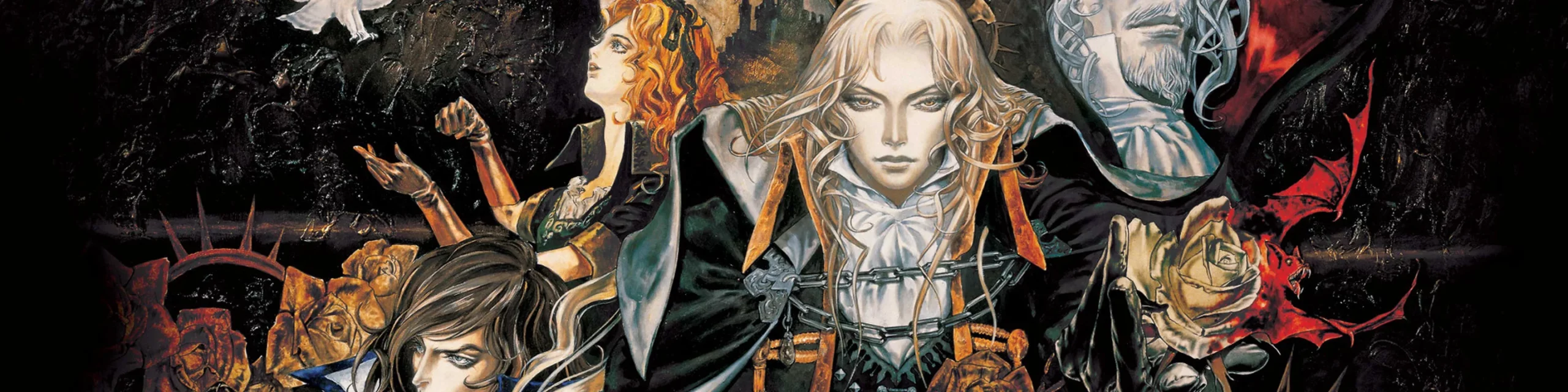
Symphony of the Night owes much to two artists. Ayami Kojima, whose first video game is this one, designed the illustrations for the characters: elegant and unsettling pencil and watercolor portraits that defined the series' style for the next decade. In-game, the pixel art backgrounds are packed with details, animations, and transparency effects that only the PlayStation could offer at the time.
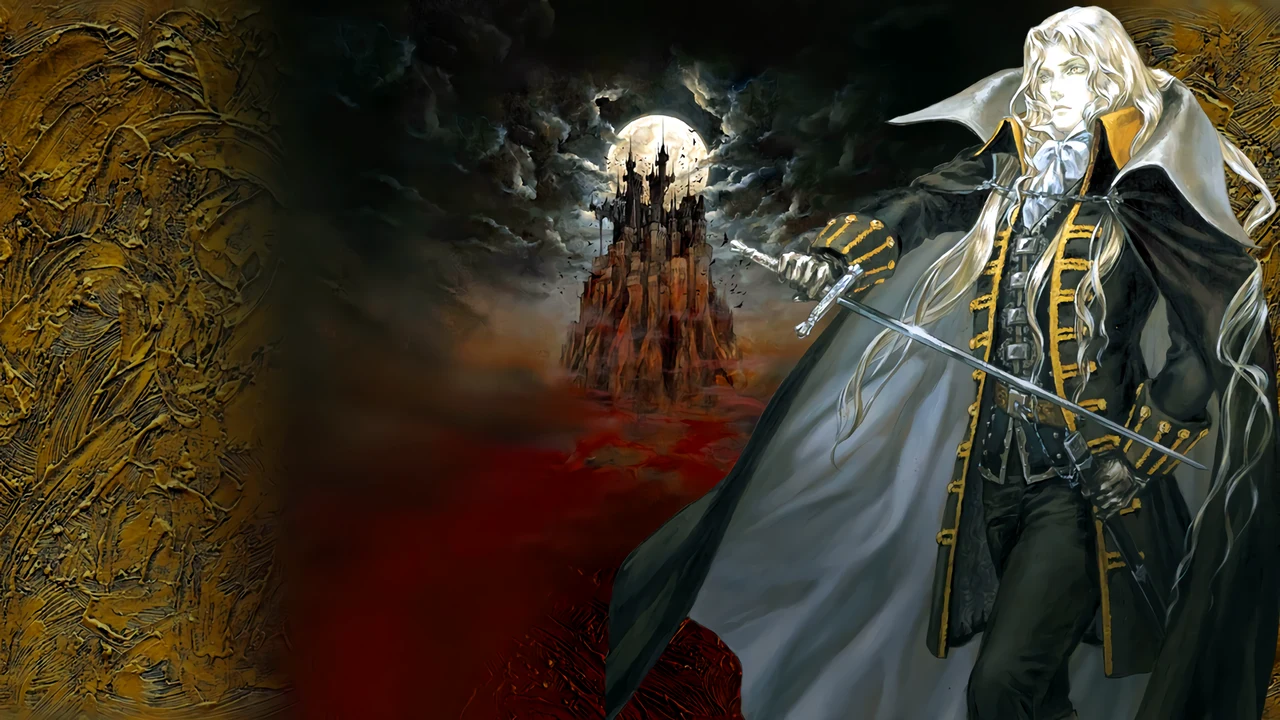
Michiru Yamane composed the soundtrack, which blends baroque organ, rock, jazz and classical music. Songs like «Dracula's Castle», «Lost Painting» or «Wandering Ghosts» are among the most beloved tracks in the video game, and the theme song, «I Am the Wind», is a song.
Why Symphony of the Night is a masterpiece
Upon its release, the game sold poorly, especially in the United States, where people expect 3D games. The press, however, was enthusiastic: it received an average of 93 out of 100 on Metacritic, and IGN ranked it among the 20 best games of all time. Word of mouth did the rest, and the game became a cult classic.
His influence is immense. The word «Metroidvania» now refers to an entire genre: a world that is unified and freely explored, unlocked by gaining new powers. Hollow Knight, Ori, Dead Cells, or Bloodstained, created by Koji Igarashi himself, are all his successors. The subsequent episodes of the series will follow his formula almost exactly.
PS1, Saturn, PSP, PS4: which version to choose?
| Version | Coming out | What changes |
|---|---|---|
| PlayStation | 1997 | The original version, with its cult English dub and very short loading times. The benchmark. |
| Sega Saturn | 1998, Japan only | Playable Maria, two zones and more bosses, but slowdowns, longer loading times and less successful transparency effects. |
| Xbox 360 (Xbox Live Arcade) | 2007 | A faithful port of the PS1 version, available for download. |
| PSP (The Dracula X Chronicles) | 2008 in Europe | A new dubbing and a new translation, Maria playable, included with Rondo of Blood. |
| PS4 (Castlevania Requiem) | 2018 | The PSP version on PS4, with Rondo of Blood, is also playable on PS5. |
| Android and iOS | 2020 | A tactile adaptation, playable also with the controller. |
The PS1 version remains the one that most fans recommend for a first playthrough: it's the game as it was originally conceived, with its original dialogue. The Saturn version is a curiosity for collectors.
All Castlevania games from GearMaster
Symphony of the Night is not the only episode of the series about GearMaster: 22 other Castlevania episodes are included, from 1986 to 2008. Here are the oldest to the newest, scroll down to discover them.
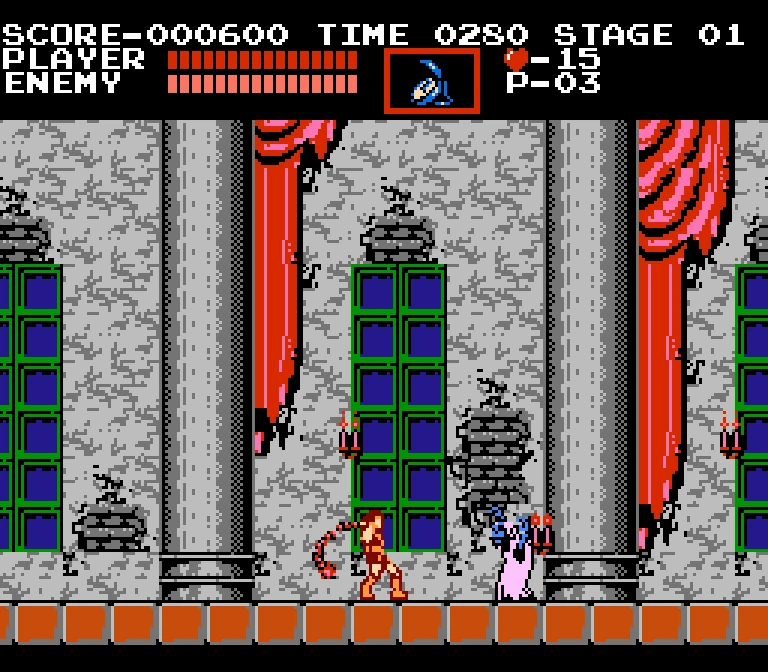
Castlevania
The very first episode: Simon Belmont and his whip traverse Dracula's castle in six levels. The foundation of the entire series.
GearMaster ✓ Included
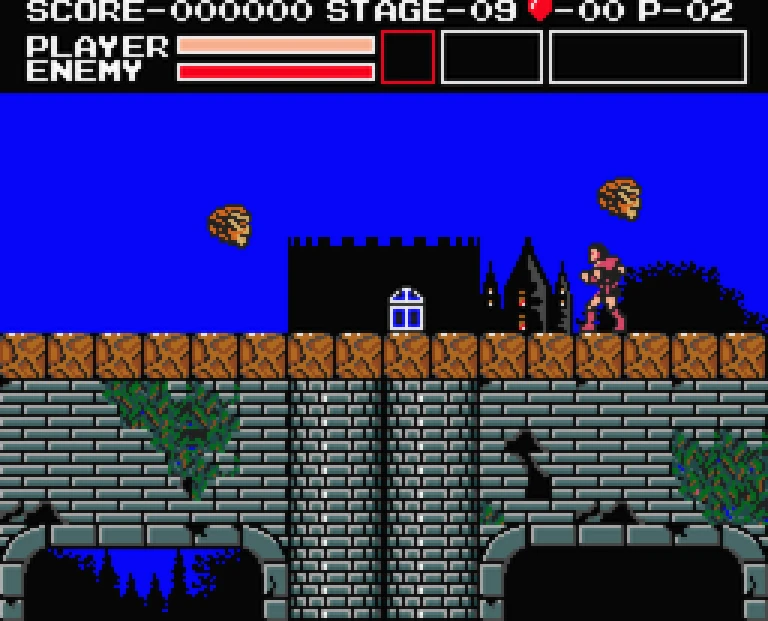
Vampire Killer
The MSX2 version of the same adventure, released the same year: you have to look for keys and buy items to have more free exploration.
GearMaster ✓ Included
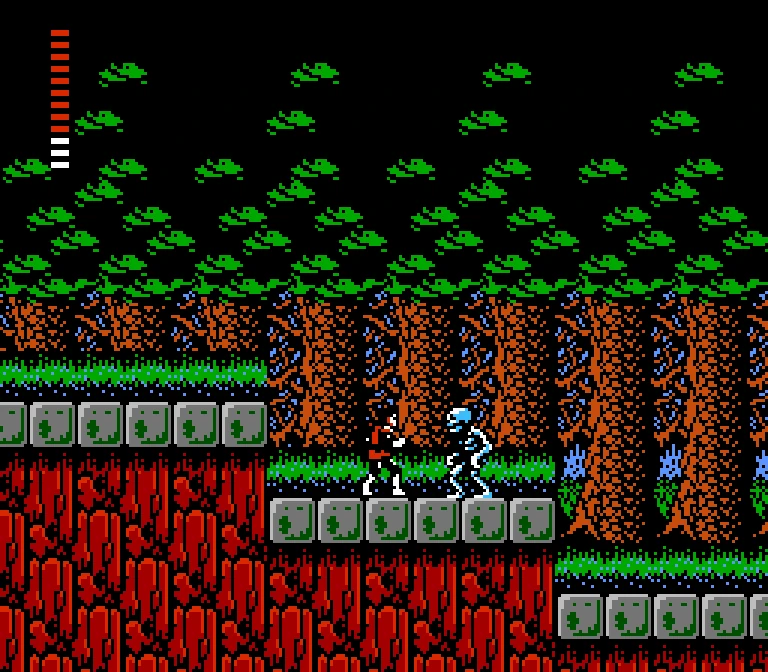
Castlevania II: Simon's Quest
Simon sets out to search for Dracula's relics, through the forest, in a day and night cycle. A distant ancestor of Symphony of the Night.
GearMaster ✓ Included
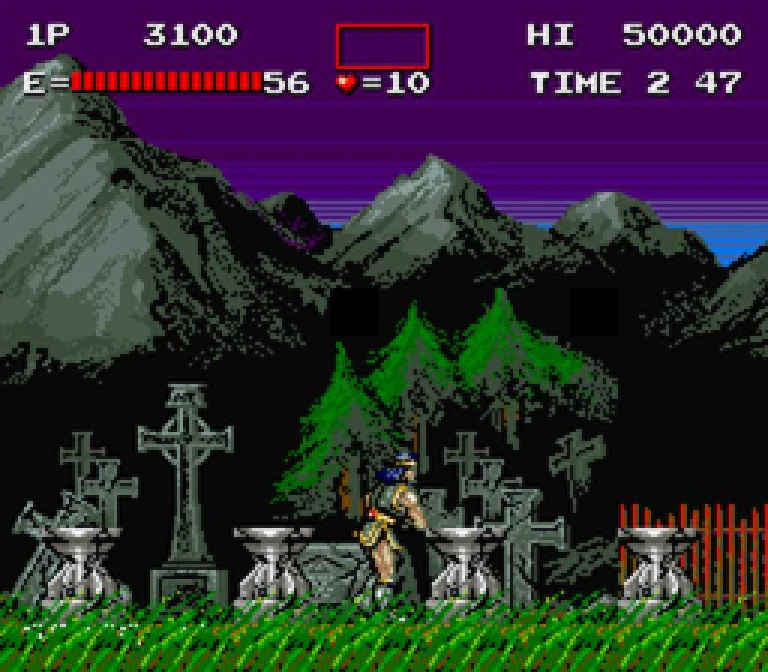
Haunted Castle
The arcade episode: Simon must save his fiancée Selena, who was kidnapped by Dracula on their wedding day. Short and very demanding.
GearMaster ✓ Included
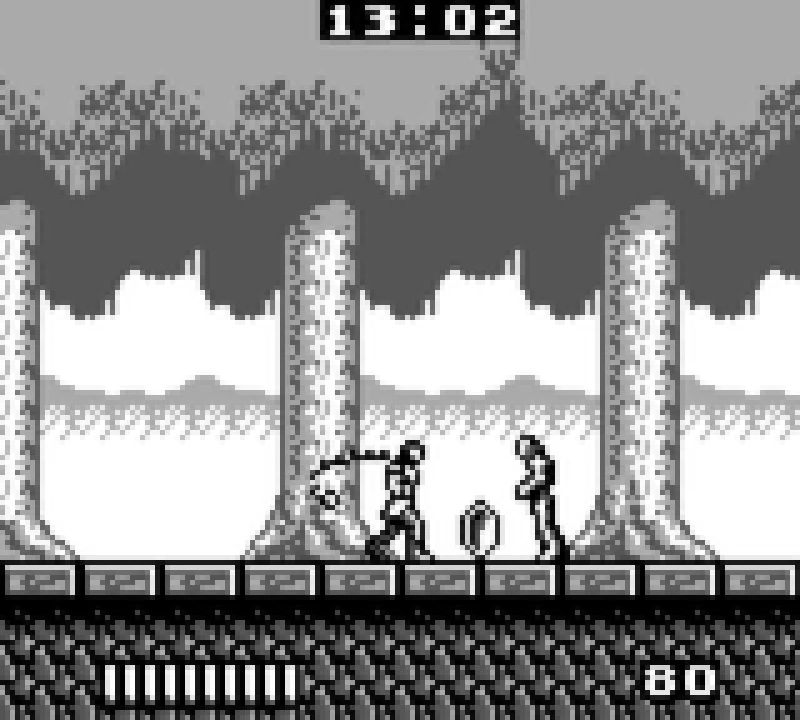
Castlevania: The Adventure
Christopher Belmont, Simon's ancestor, in a black-and-white adventure, without any auxiliary weapons.
GearMaster ✓ Included
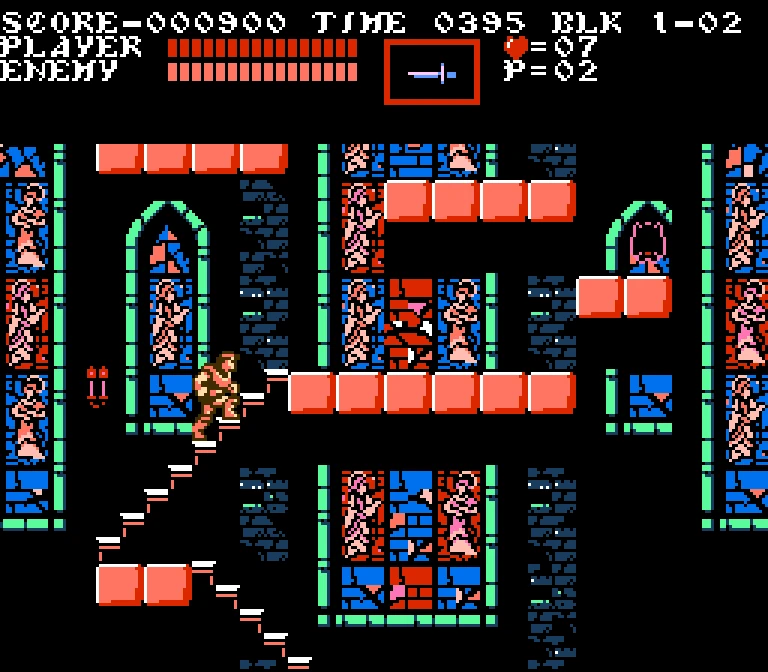
Castlevania III: Dracula's Curse
Trevor Belmont and three companions to recruit, including Alucard for his very first appearance. Several paths lead to the castle.
GearMaster ✓ Included
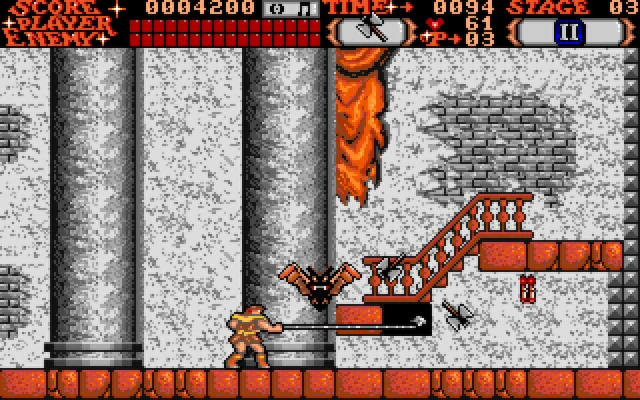
Castlevania
The adaptation of the first episode for the Amiga, published by Konami, with redesigned graphics.
GearMaster ✓ Included
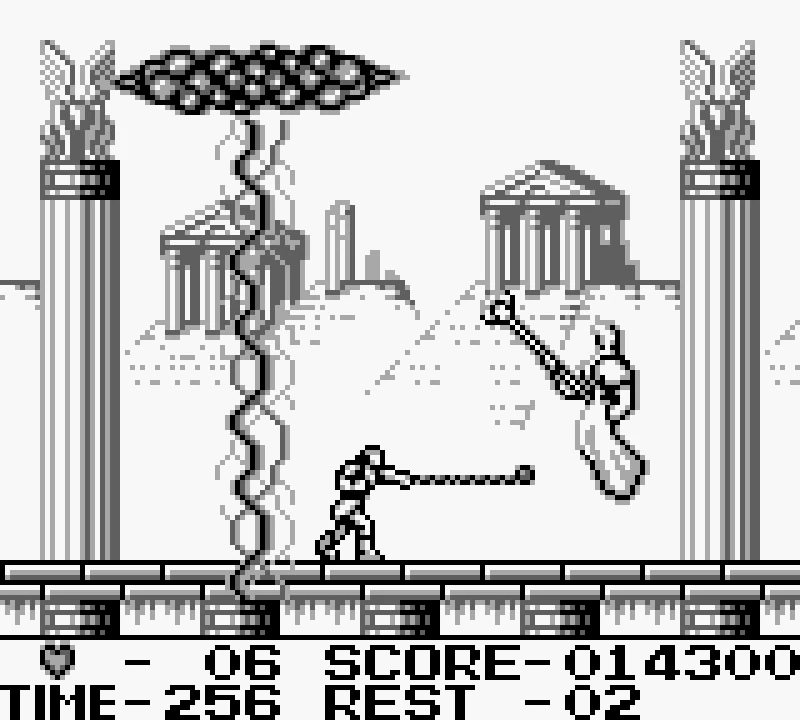
Castlevania II: Belmont's Revenge
Christopher Belmont returns to save his son Soleil. Four castles to face in the order of his choice.
GearMaster ✓ Included
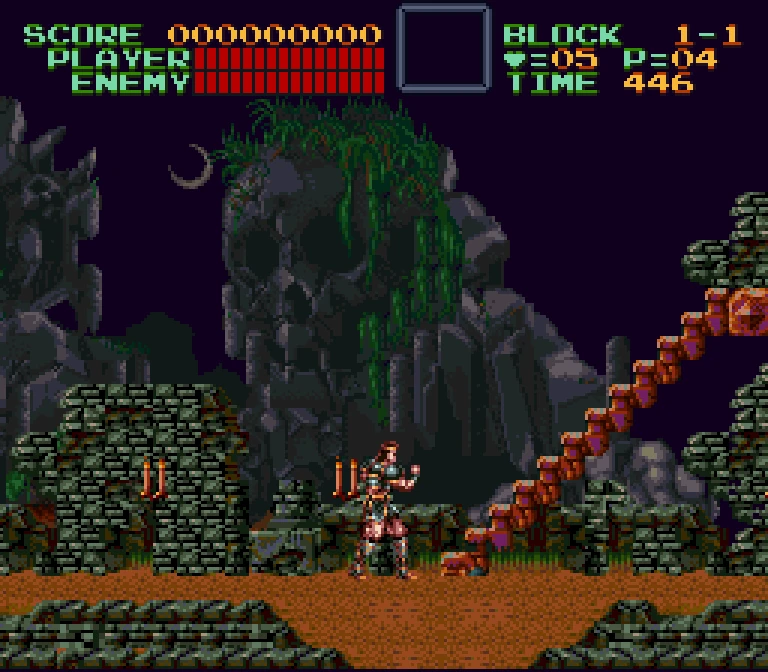
Super Castlevania IV
Simon returns to the castle with a whip that strikes in eight directions and clings to the scenery. One of the most beloved 2D episodes.
GearMaster ✓ Included
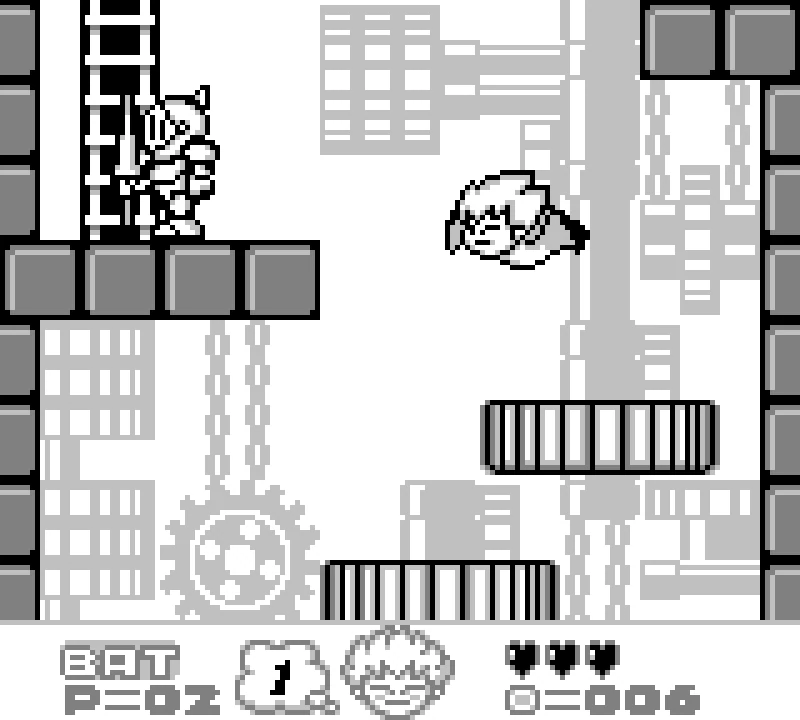
Kid Dracula
The humorous spin-off: a version of Dracula for children goes on a quest to reclaim his throne against the demon Galamoth.
GearMaster ✓ Included
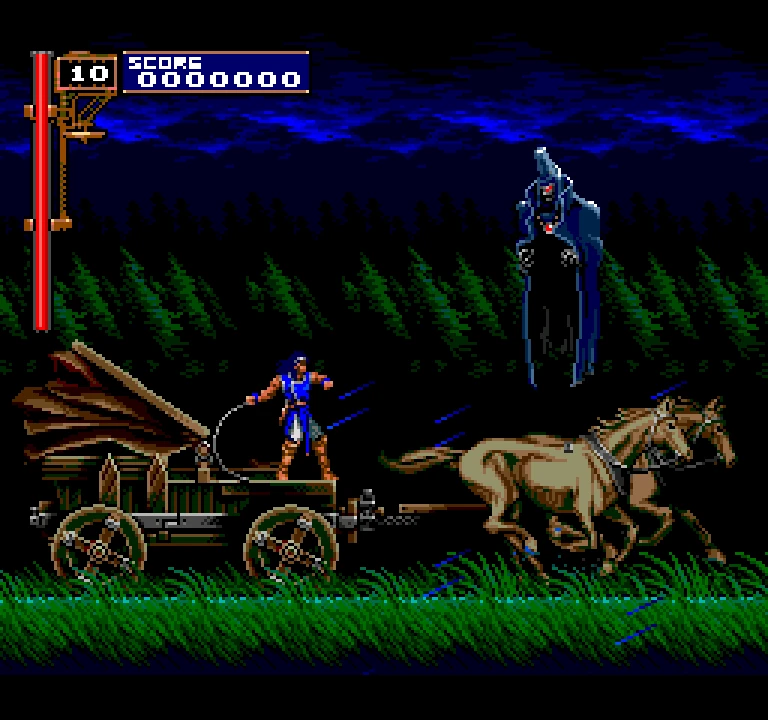
Akumajō Dracula X: Chi no Rondo (Rondo of Blood)
Richter Belmont goes to save Annette and the young Maria. His final scene serves as a prologue to Symphony of the Night. Here in its original Japanese version.
GearMaster ✓ Included
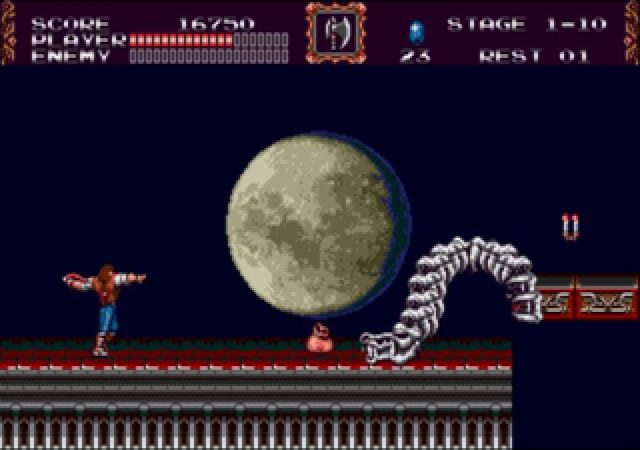
Castlevania: The New Generation
John Morris and Eric Lecarde track down Dracula's forces across Europe in 1917, all the way to the Château de Versailles.
GearMaster ✓ Included
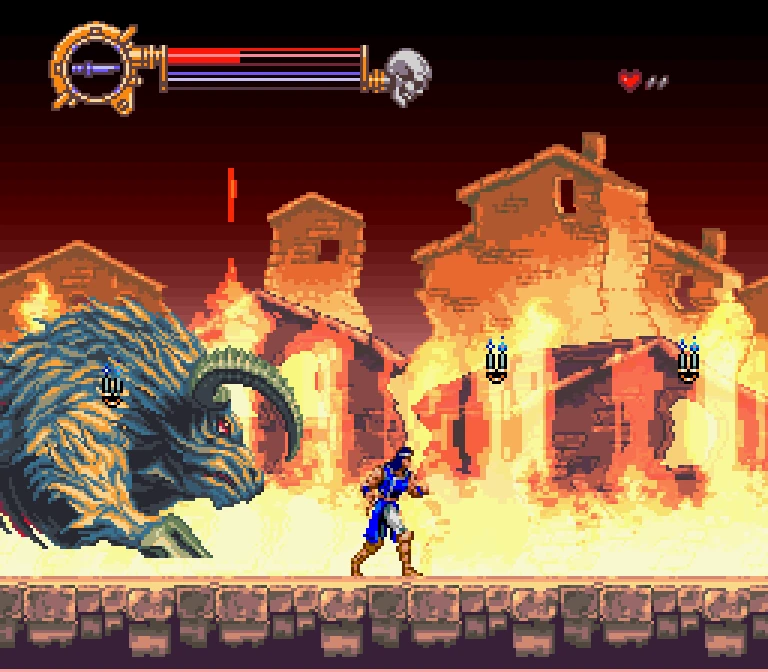
Castlevania: Vampire's Kiss
Another version of Richter's adventure, with redesigned levels and increased difficulty.
GearMaster ✓ Included
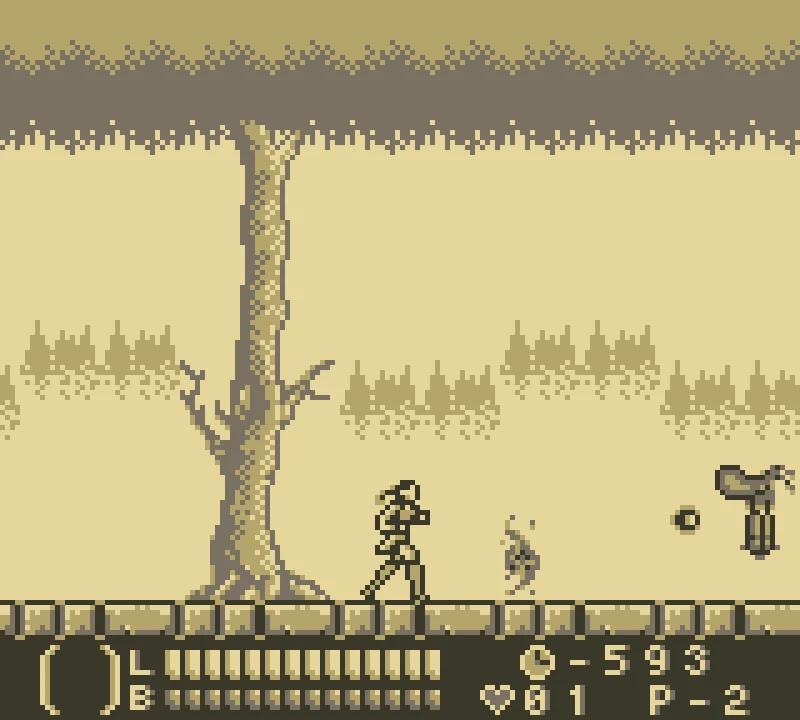
Castlevania Legends
Sonia Belmont, the clan's first hunter, meets a young Alucard there.
GearMaster ✓ Included
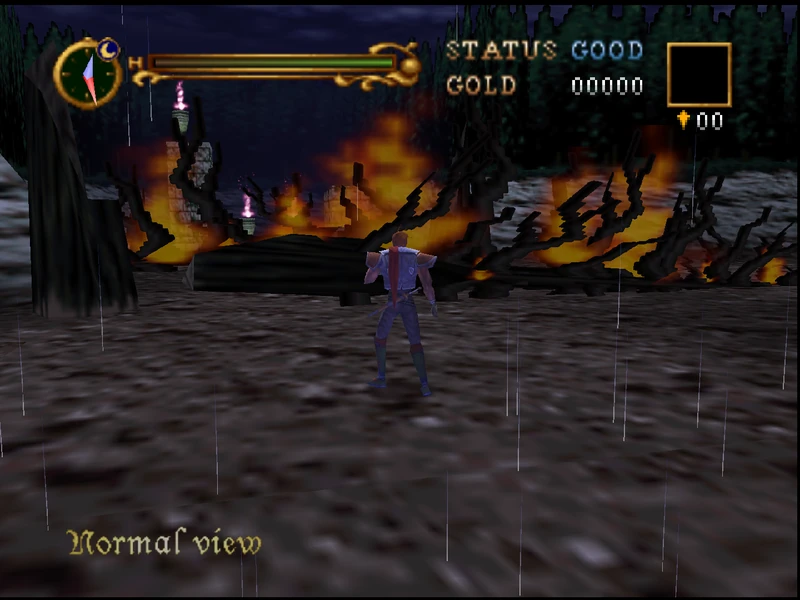
Castlevania
The first episode in 3D: Reinhardt Schneider or Carrie Fernandez face Dracula in a three-dimensional castle.
GearMaster ✓ Included
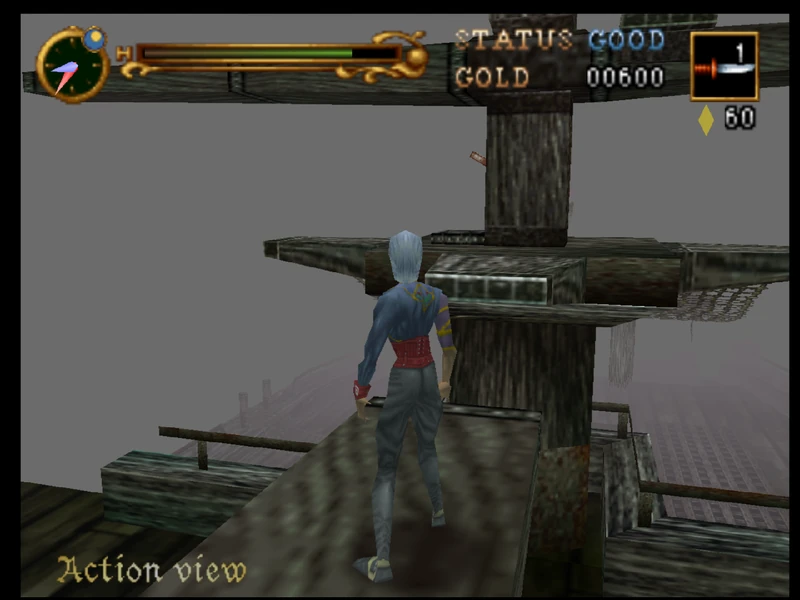
Castlevania: Legacy of Darkness
The enhanced version of the previous one, with Cornell, a werewolf, as the main hero, and other characters to unlock.
GearMaster ✓ Included
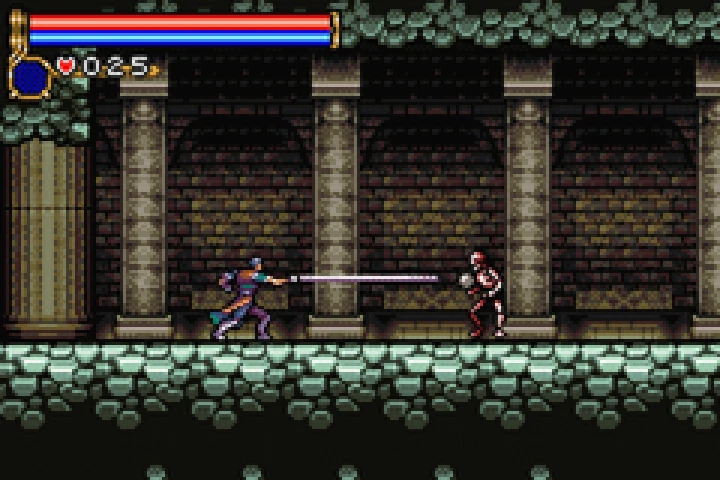
Castlevania (Circle of the Moon)
Nathan Graves explores an immense castle, with a system of cards that transforms his attacks. The first direct heir to Symphony of the Night.
GearMaster ✓ Included
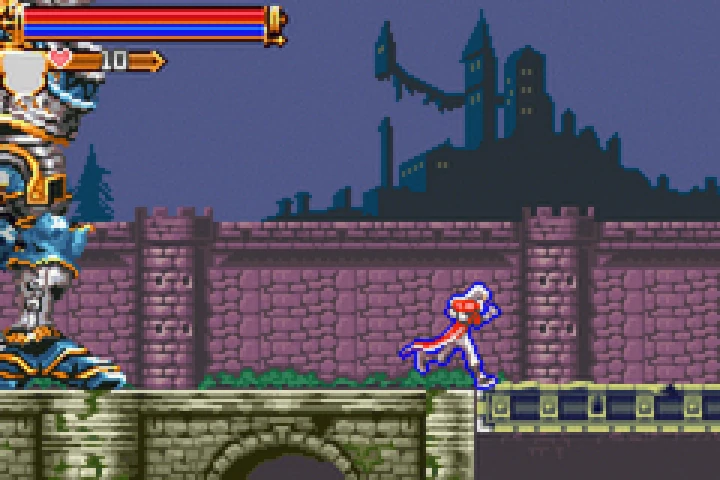
Castlevania: Harmony of Dissonance
Juste Belmont, Simon's grandson, explores two castles that correspond to each other.
GearMaster ✓ Included
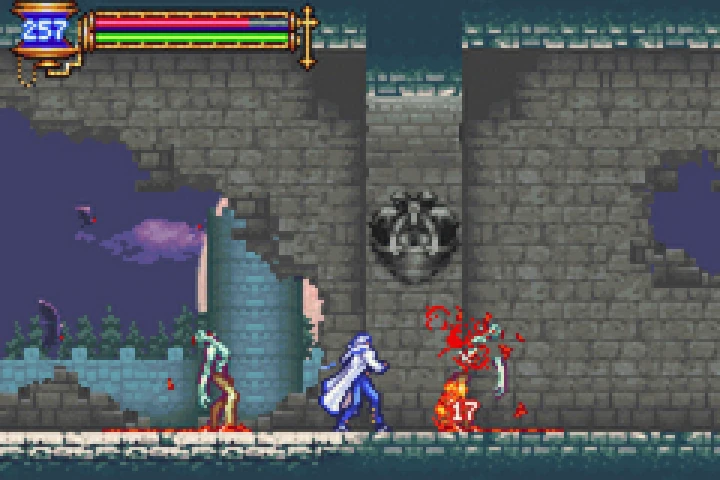
Castlevania: Aria of Sorrow
In 2035, Soma Cruz absorbs the souls of the monsters to gain their powers. One of the episodes closest to Symphony of the Night.
GearMaster ✓ Included
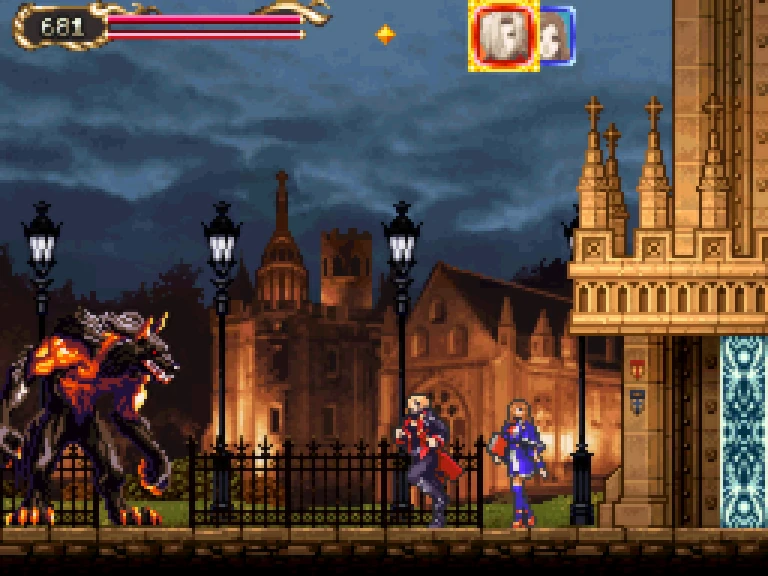
Castlevania: Portrait of Ruin
In 1944, Jonathan Morris and Charlotte Aulin play as a duo and enter a cursed tableau.
GearMaster ✓ Included
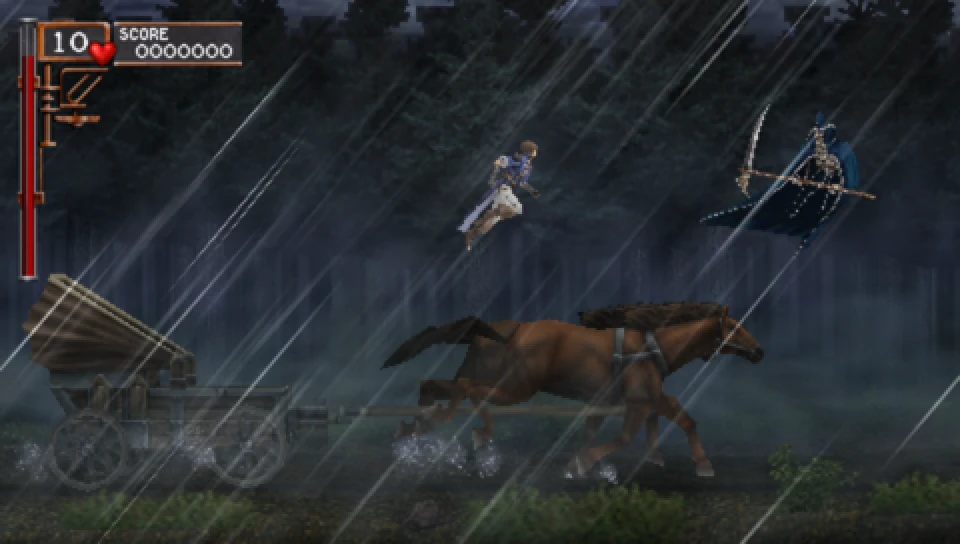
Castlevania: The Dracula X Chronicles
The 2.5D remake of Rondo of Blood, with the bonus original version and Symphony of the Night.
GearMaster ✓ Included
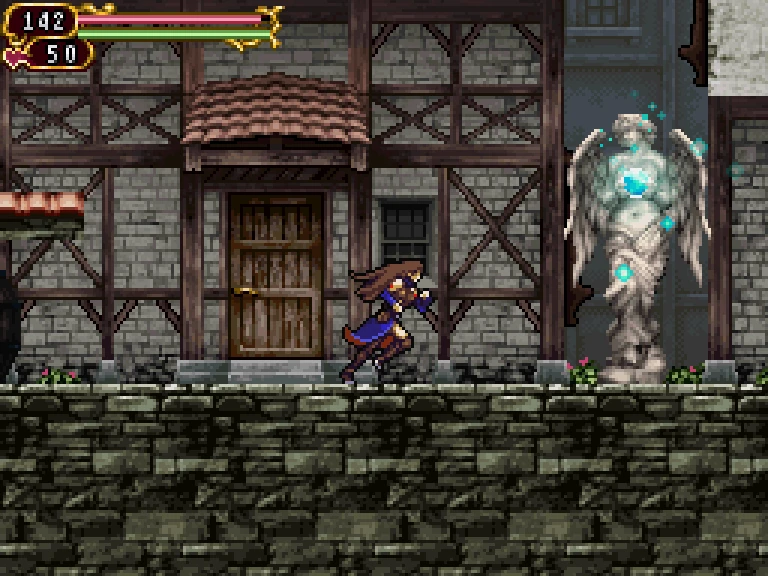
Castlevania: Order of Ecclesia
Shanoa steals glyphs, the powers of her enemies, in an adventure that finally takes her out of the castle.
GearMaster ✓ Included
The GearMaster list also includes three fan creations inspired by the series: Castlevania: Symphony of Destruction, Castlevania: Legacy of Dracula and Castlevania: Moonlight Nocturne. These are not Konami games, but tributes made by enthusiasts.
How to play Symphony of the Night today?
1. On an old PlayStation
The PS1 disc works on PS1, PS2 and PS3. It is also one of the most sought-after PS1 games on the used market: its price often exceeds 100 euros for a complete European edition, and even more for the limited edition with its illustrated booklet.
2. On PS4, PS5, Xbox or mobile
Castlevania Requiem brings Symphony of the Night and Rondo of Blood to PS4, playable on PS5. The game also exists on Xbox and on smartphones. The PS5 does not read the discs of the first PlayStation.
3. About the GearMaster
Symphony of the Night is one of the 20,000 games on GearMaster, along with 22 other Castlevania titles, from Vampire Killer to Aria of Sorrow. You plug the console into the TV using HDMI and play with a wireless controller, no disc or memory card required.
Other PlayStation classics await you on the blog: our ranking of the best games 30 best PS1 games, our dossier on All Resident Evil PS1 games and our guide MediEvil PS1.
Dracula's castle awaits you
Plug the GearMaster into HDMI, grab a wireless controller, and launch Symphony of the Night in seconds. No subscription, no disc, no memory card required.
Frequently asked questions about Castlevania: Symphony of the Night
1When was Castlevania: Symphony of the Night released?
The game was released on March 20, 1997 in Japan on the PlayStation, then on October 3, 1997 in the United States and in November 1997 in Europe. A Sega Saturn version was released in Japan only in 1998.
2Is Symphony of the Night the best Castlevania?
This is the episode most often cited as the best of the series, and one of the best-rated PlayStation games (93/100 on Metacritic). Rondo of Blood, its predecessor, is also highly regarded.
3Can we play Symphony of the Night on PS5?
The PS1 disc does not work on the PS5. However, Castlevania Requiem, which contains Symphony of the Night and Rondo of Blood, is available on the PS4 and can be played on the PS5.
4Why is Symphony of the Night so famous?
For its immense castle to explore freely, its role-playing elements, its pixel art, the music by Michiru Yamane and the illustrations by Ayami Kojima, and especially for its great secret: a second castle that doubles the duration of the adventure. It inspired the whole Metroidvania genre.
5How long does it take to finish Symphony of the Night?
It takes about ten hours for a first part that goes all the way through both castles, and even more to reach over 200% of exploration and find all the items.
6How to unlock the reversed castle?
You must gather the Golden Ring and the Silver Ring, obtain the Holy Glasses from Maria in the Castle Center, and then, in the Dungeon, destroy the orb that controls Richter instead of fighting Richter himself.
7How many endings does Symphony of the Night have?
Four: an untimely end if one defeats Richter in the Dungeon, then three endings after the victory over Dracula in the inverted castle, depending on Maria's exploration and fate.
8Which Castlevania are included in GearMaster?
In addition to Symphony of the Night, the GearMaster contains 22 other Castlevania games, including Vampire Killer, Haunted Castle, Super Castlevania IV, Rondo of Blood, The New Generation, Aria of Sorrow, Portrait of Ruin, Order of Ecclesia et The Dracula X Chronicles.
9Is Symphony of the Night still worth listening to today?
Yes. Its pixel art has aged well, its gameplay is immediate, and its exploration remains a model of its kind. It's an excellent starting point for discovering the series like Metroidvania.
The 30 best PS1 games: the top classics of the PlayStation
Final Fantasy VII, Metal Gear Solid, Castlevania… Our ranking of PlayStation legends.
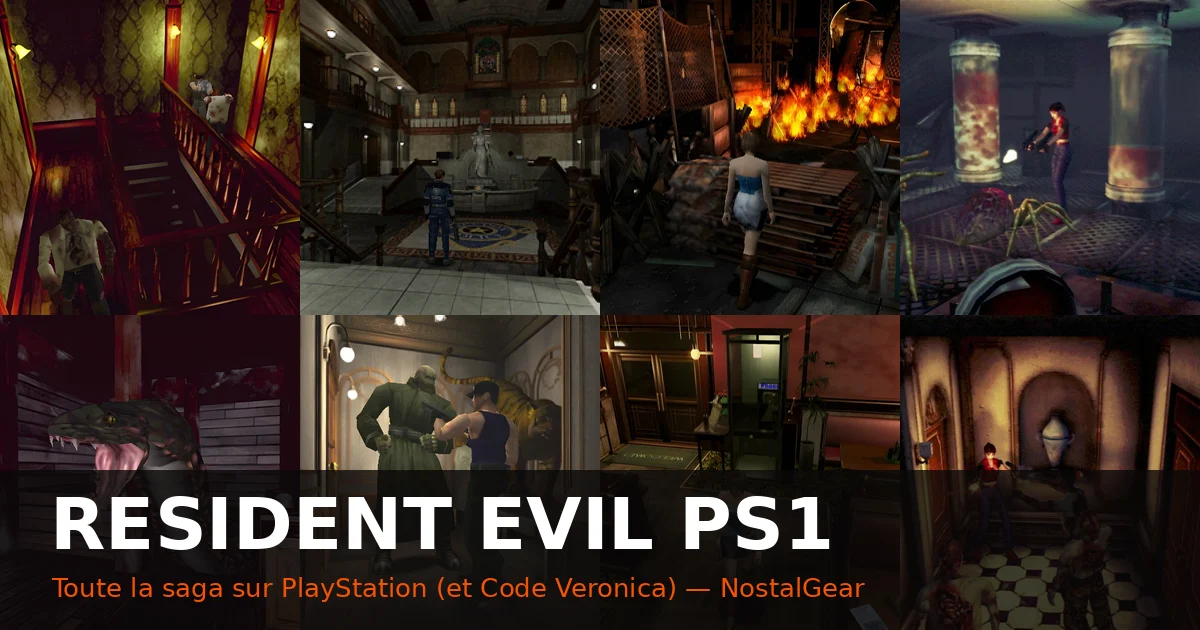
Resident Evil PS1: all the games in the saga on PlayStation
The Spencer Mansion, Raccoon City, Nemesis and Code: Veronica: the entire horror saga of the PlayStation era.
Explore NostalGear
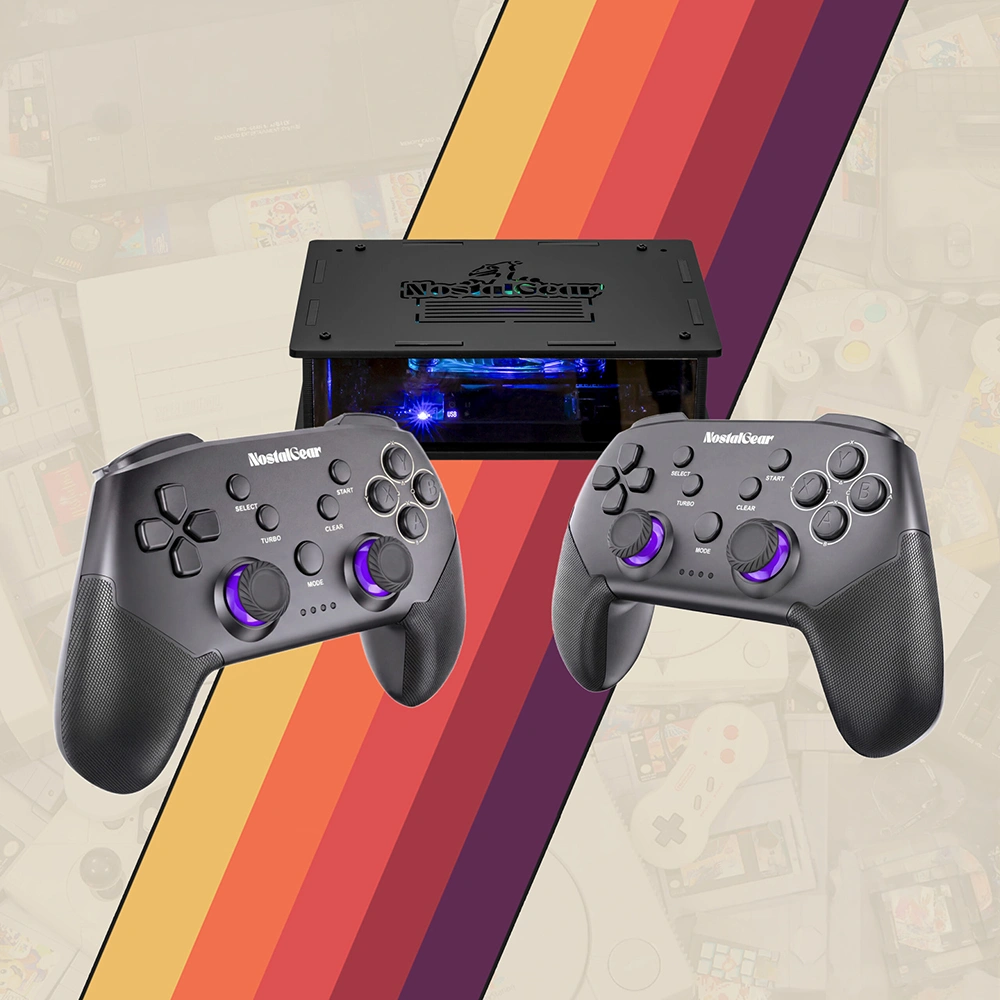
GearMaster
20,000 games, 70 systems. Plug & Play in 30 seconds.
Shop the bundles
GearPad Pro
The wireless controller built for retro gaming.
Discover
Game list
Find your childhood favorites among 20,000 games.
Explore
Reviews
Blogger reviews and customer feedback.
Read the reviews
GearOne Magazine
Retro game rankings, picks, and stories.
Read the blog
30-day
returns

Friendly customer
support

Secure
checkout

Limited lifetime console warranty*